
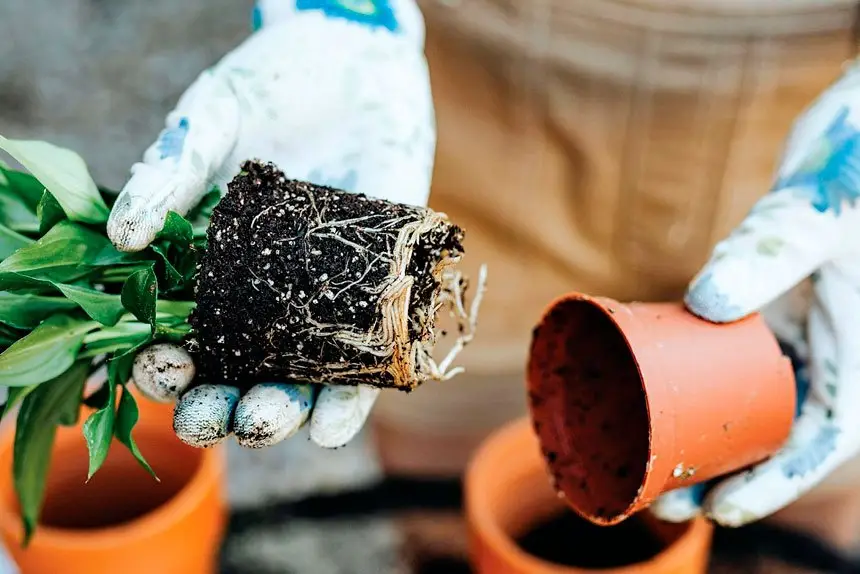
ABOUT this time every year, residents, businesses and rural properties are given the opportunity to obtain free plants and trees from city council nurseries.
This is a free initiative to allow residents to add to their garden those plants they might not otherwise have thought of for their garden.
The council websites have a list of invasive plants that shouldn’t be planted. Many of these would be quite common to some residents.
Plants that seed frequently are listed. Some of the flowering trees like the ever-popular Jacaranda, with its beautiful purple flower, when windy, spreading like a carpet making a beautiful showing under the tree. Or the Chinese rain tree that flowers profusely with seeds that spread in the wind.

Not all invasive trees are bad, but they are noted as having to be carefully planted and controlled. It’s worthwhile going to the website to check out those that are quite common around your area and action needed to control them.
But not only are trees invasive.
If you have ever been to South Australia and seen the masses of Gazania spread out like a carpet on the side of the road, beautiful indeed, showing off the rich blend of brightly coloured flowers.
These small plants seed veraciously and can be a problem in some areas, killing the natural vegetation in its wake. Many home gardens have gazanias planted as the rich colours make them ideal. But they can pop up everywhere.
Most nurseries sell this plant, with some larger stores being singled out for the part they are playing in the sale of this invasive weed.
Gazanias are described by some as a “ticking time bomb” for Australia’s bushland.
However, there are alternatives; there are now some new sterile gazania plants available on the market, but you must look for them, read the label, ask the assistant. Check on the one you are buying.
The council websites also have a list of trees and plants one could grow instead of the invasive ones.
Gazanias are sometimes called African Daisy and are members of the Asteraceae family, which include everything from common daisies to vegetables like lettuce and is the second largest plant family on the planet.
In rural situations it competes with native species for ground cover and space and when you have weeds that out-compete the native species you lose the habitat and food resources that all the smaller animals need to live on.
So, the next time you see this pretty, colourful flowering plant and wish to have them in your garden, be careful where it’s planted or choose another variety and do your bit for the planet.
Till next time.