
NEXT to imposing red-brick classrooms at a rural high school sits a quaint grey house with lush cottage gardens and a rainbow sign by the front door.
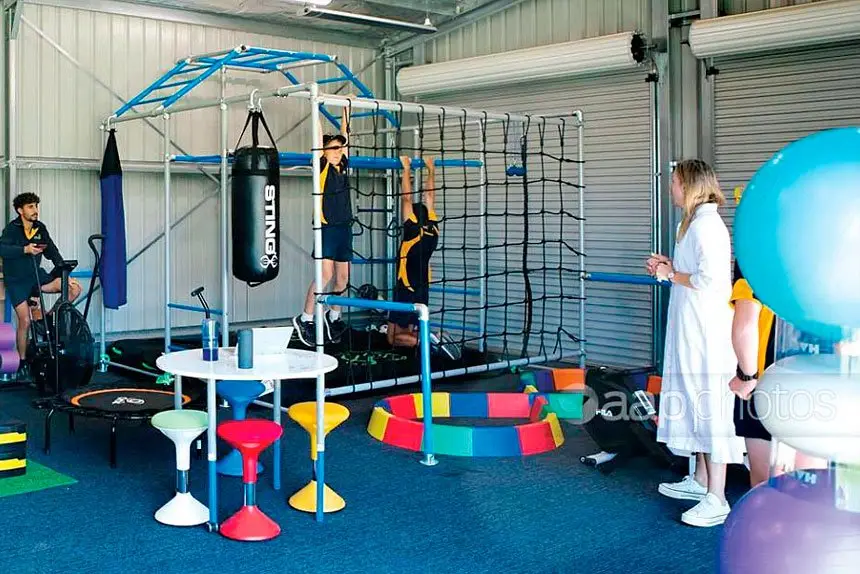
Once a run-down esidence of a principal at Narromine High School, west of Dubbo in NSW, the house has been renovated and turned into a sun-filled student wellbeing hub.
That transformation reflects what is happening inside, as students access a GP, speech and occupational therapists, a psychologist and get hearing and dental check-ups.
The hub’s work was recently highlighted at the national rural health conference in Perth, held up as as an example of collaborative healthcare working to close the gap.

More than 300 GP appointments were conducted in 2023, with 93 Indigenous students getting a health check that assesses the risk of chronic illness.
Some teenagers have been identified as having disabilities and linked with NDIS support, while others have been diagnosed and treated for attention-deficit/hyperactivity disorder (ADHD).
Young people and their families in Narromine may not use available services due to lack of transport, cost or long-held fear of the healthcare system.
Rural children are therefore more likely to fall through the cracks and have delayed diagnoses, so the hub provides tailored and ongoing care, the service’s GP Vicky Owen said.
“It’s led by a team of teachers … who are most strongly connected with the young person and their family and know them best,” Dr Owen told AAP.
“That’s really powerful, as opposed to a health or medical-led team.”
Teacher Rebecca Kennedy established the hub in 2019, as some of the school’s 260 students displayed only basic academic skills despite strong support in the classroom.
“I was starting to think: is something more going on here?” Ms Kennedy said.
A local speech therapist assessed some students and found their language was compromised, requiring pediatric intervention.
With specialist shortages gripping the western region Ms Kennedy wrote to Sydney pediatrician Reshma Nikam, who offered yearly bulk-billed visits and ongoing telehealth check-ups.
More health professionals came on board, keen to support a school that has a 70 per cent Indigenous roll.