

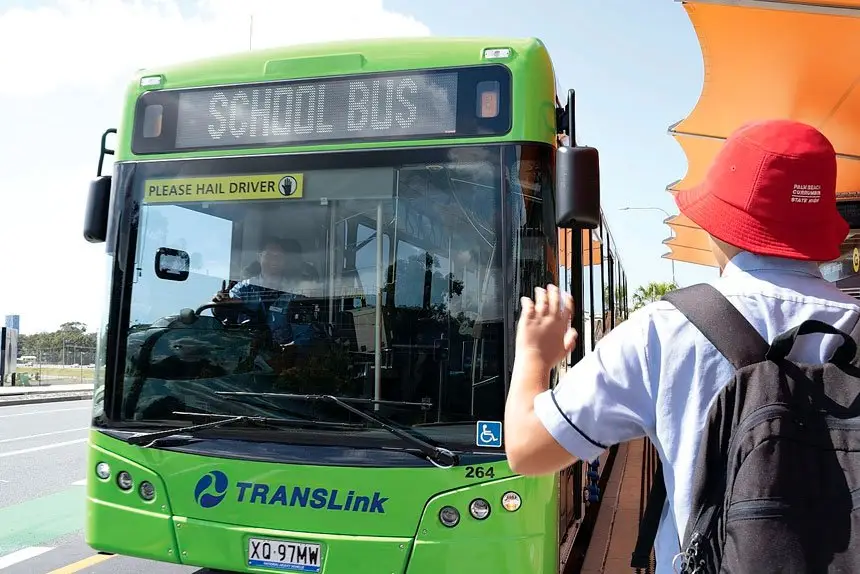
SCHOOL bus drivers are trusted with our most important people, our children, and they are set to benefit from a funding package to improve wages.
Under the expanded package, drivers contracted by Translink will be eligible for funding to support a wage increase to school bus drivers to $29.62 per hour on September 30 and a subsequent increase to $31.17 per hour on July 1, 2025.
The Queensland Government investment is aimed at easing the cost-of-living pressures school bus drivers face.
The package is also targeted at alleviating bus driver shortage issues by improving attraction and retention of drivers, which will increase the reliability of school transport services.

Translink will continue to work with its individual delivery partners to distribute funding for the state’s school bus drivers.
Minister for Transport and Main Roads Bart Mellish said the government was committed to providing reliable and efficient school transport services for families across Queensland.
“We recognise the important work school bus drivers do every day in connecting students to education,” he said.
“Improving wages for school bus drivers is a reflection of our unwavering commitment to supporting jobs, easing cost-of-living pressures, and creating better public transport connections for communities in Queensland.
“Delivering wage increases to our school bus drivers will help retain the outstanding school bus drivers we have already while helping to attract additional skilled professionals to the industry.
“More school bus drivers with better conditions will ultimately lead to better public transport services provided to our kids.”
Director of Organising TWU Queensland Josh Millroy said the increases would reflect the critical work that school bus drivers do.
“This comes on the back of the previous wage adjustment won in 2023 by bus drivers and TWU members across Queensland,” he said.
“It’s critical now that bus operators get on board and pass on this pay increase to these workers and their families, who are feeling the pressures of the rising cost of living.
“As pressure on our public transport sector builds with population growth and the lead up to the 2032 Olympics, this funding will boost retention of these critical workers.”