IPSWICH Mayor Teresa Harding has defended her city’s approach to homelessness, following rising concerns about Moreton Bay Regional Council’s decision to criminalise rough sleeping.
Cr Harding’s remarks come as Australia’s peak homelessness advocacy body raises alarms about the potential consequences of such policies on vulnerable individuals.
Cr Harding emphasised that local councils, including Ipswich, had an obligation to act in the best interests of their communities, including addressing public safety concerns and maintaining the quality of public spaces.
“Homelessness is an incredibly complex issue that affects all communities and falls under the responsibility of the Queensland Government,” Cr Harding said.

“Councils are not funded, resourced or authorised to manage this issue alone, but residents expect us to take action on the ground.”
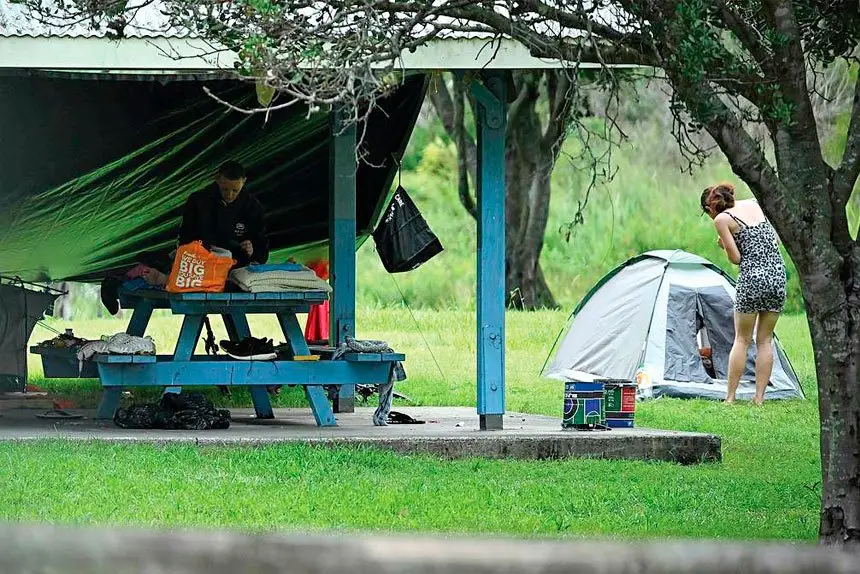
From March 12, Moreton Bay will ban all forms of homeless camping, already notifying rough sleepers of the change.
While the Council’s Housing and Homelessness Action Plan allows it to request people to move on, it does not give it the power to remove individuals from public spaces.
Moreton Bay’s decision follows a December ruling prohibiting people from sleeping in cars or vans and restricting those with pets from using public spaces as shelter.
Cr Harding acknowledged the scale of the crisis, but said Ipswich’s circumstances differed.
“The City of Moreton Bay is almost twice the size of Ipswich and has significant numbers of rough sleepers in local popular parks,” she said.
“South East Queensland is experiencing significant levels of homelessness, and it’s a complex issue with no easy fix. There is a delicate balance between supporting those doing it tough while ensuring community safety for all residents.”
Homelessness Australia CEO Kate Colvin condemned Moreton Bay’s crackdown, calling for greater investment in housing and support services instead,” Ms Colvin said.
“There simply aren’t enough homes available for people in need.
“It might be confronting to see people sleeping in parks or on the streets, but this is the direct result of a lack of social housing.
“Criminalising them is not the solution.”
She likened the situation to a public health emergency.
“If the Government failed to provide enough measles vaccinations, would we respond by arresting people who caught measles? That logic makes no sense.”
New data shows more than 120,000 Australians are unable to access homelessness services.
“Criminalising people who have nowhere to go is completely un-Australian,” Ms Colvin said.