

THOSE who have visited Uluru understand the harsh conditions that often prevail – dry, arid landscapes that can dramatically change with the arrival of rainfall.
West of Uluru, a transformation is underway. In the scorching desert sun, the Indigenous people of Wanarn have spent months rebuilding large, dilapidated sheds, converting them into thriving undercover market gardens. These gardens now produce a wide range of vegetables, creating a sustainable enterprise for the community.
This remote Western Australian community, home to about 100 people in the Ngaanyatjarra Lands – nearly 900km west of Alice Springs – has been given a lifeline by the Federal Government through a new $707 million remote jobs program.
Despite the region’s harsh and unforgiving soil, the simple addition of water has led to the successful cultivation of pineapples, lettuce, grapes, oranges, carrots, potatoes, and enormous green cabbages. Under the careful guidance of the farm community manager, these crops are flourishing.

Water is the key to the market gardens’ success, ensuring that fresh, homegrown food is available to support a healthier lifestyle for local residents.
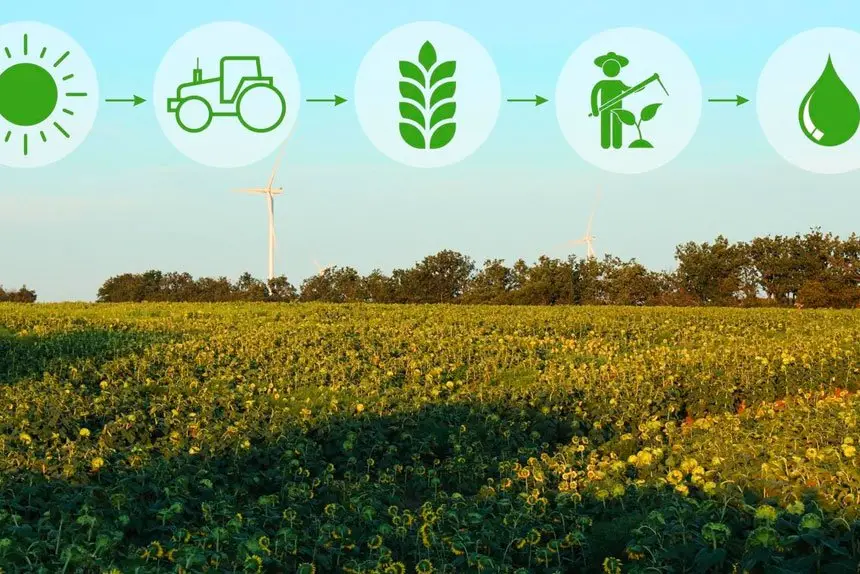
Even in South Australia’s harsh climate, near Port Augusta in the Flinders Ranges Desert, an innovative greenhouse project is thriving. This massive facility harnesses solar energy and underground water to sustain a highly productive garden.
At sunrise, mirrors concentrate and store energy to power the entire operation, including a desalination plant that treats water to ensure it is pH-neutral and safe for irrigation. This cutting-edge system is the only one of its kind in the world.
Inside, vegetables grow at a steady 20°C year-round. Tomatoes, in particular, are cultivated in a controlled environment where excess leaves are removed to maximise sunlight exposure. In contrast, in outdoor settings, heavy rainfall often causes tomatoes to split.
Depending on the season, bees are introduced to pollinate the crops, further enhancing productivity. While the setup requires significant investment, the efficiency and sustainability of these systems offer valuable lessons – even for home gardeners looking to improve their yields.
Until next time.