
By Jennifer Dudley-Nicholson
AUSTRALIAN researchers will “print” cancer cells in 3D and use artificial intelligence software to analyse them after receiving a $2 million grant to invest in the technology.
Macquarie University and the Australian Cancer Research Foundation revealed the joint project last week, in a bid to deliver personalised cancer treatments for patients with tumours that are rare or difficult to treat.
The project, which will be undertaken at the Centre for Advanced Cancer Modelling in NSW, will also aim to determine why some cancers, such as certain melanomas, do not respond to treatment as expected.

Macquarie University Associate Professor Jenny Lee said the idea behind the high-tech approach came from treating a woman with a rare thyroid cancer
While the patient’s tumour indicated she should receive a certain “class” of treatments, it was not clear what medicine would be most effective.
“What we did was we got a small piece of her tissue, we tested the tissue with various drugs … and on the testing we did in the lab, it showed a 100 per cent response,” Dr Lee said.
“That’s where the idea came from, where we could use the patient’s own tumour to guide the treatment that they’re most likely to respond to, in addition to all other information.”
Macquarie Medical School Professor Helen Rizos said the cancer modelling centre would take the method one step further with the use of technology, using a 3D bio-printer to artificially reproduce cells from a patient’s tumour.
“It prints the tumour cells and it’s like an inkjet printer that individuals may have at home but far fancier,” she said.
“We can take those little prints – they’re like little gels – and treat them with our clinically available therapies.”
Researchers at the centre would use AI software to analyse the lab-grown cells to determine how many survived particular treatments, Dr Rizos said.
If effective, the centre could provide personalised recommendations for the cancer treatments in as little as 10 days.
“The most important thing is that we do it in real time, so it can go back to the clinician and help inform clinical decision-making,” Dr Rizos said.
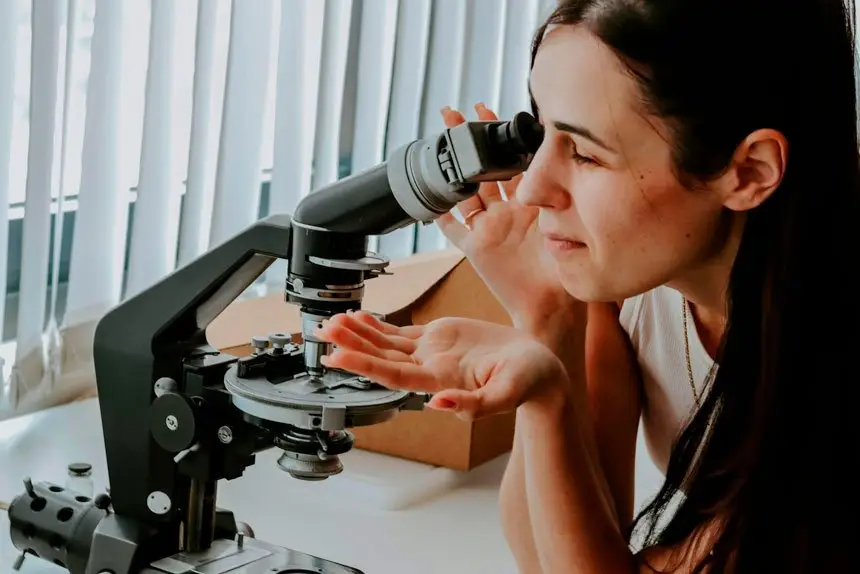
Medical technology purchased with the $2 million grant included an advanced imaging platform to track up to 40 cancer markers at once, and a light sheet microscope and live-cell imaging microscope to examine tumours.
The Australian Cancer Research Foundation issued funding to the university under its 2023 grant program. Chief Executive Kerry Strydom said the group hoped its novel approach would deliver fresh ways to save lives.
Delivering personalised treatments could also remove unnecessary suffering for cancer patients, by identifying the best treatments first time, she said.
“If you didn’t have this facility, you might test one therapy and it might work for a while and then stop working, or it might not work at all,” Ms Strydom said.
“You’re going to cut short the time to get the most effective treatment, which is very promising and exciting.”
Researchers at the centre will also use 3D-printed melanoma cells to better understand treatment resistance, in a bid to identify why some tumours do not respond to immunotherapy.