

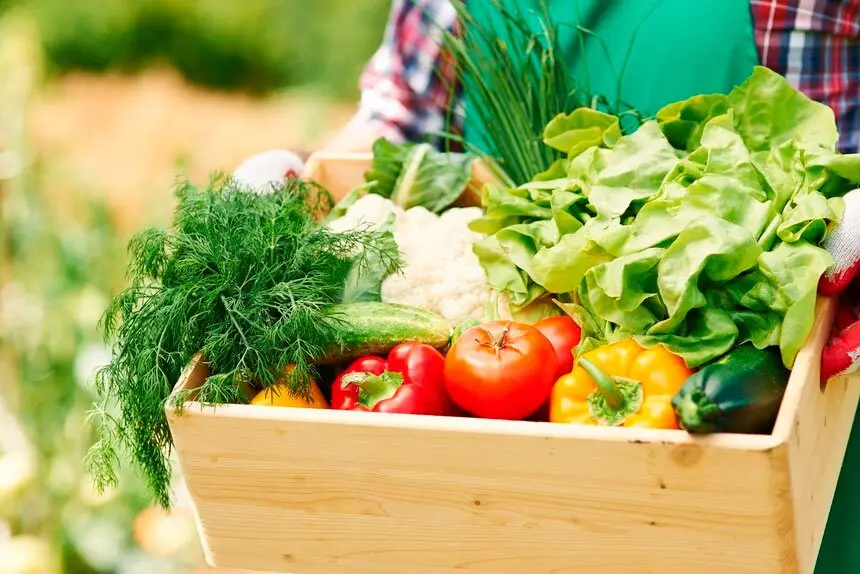
ORGANICALLY grown foods are generally considered better for the environment due to less intensive farming methods, which help reduce pollution.
However, we’re often told that there’s no significant difference in taste or nutritional value compared to conventionally grown produce.
So where does that leave the consumer who wants to do the “right thing”?
Many products are labelled – or implied to be – organic when they may not be. Packaging and branding can be misleading, and it’s only once you get home and take a closer look that you realise how cleverly some companies bend the truth.

So, is organic produce worth it for you, the consumer?
That’s a decision best left to the individual.
To assist in making an informed choice, the Federal Government has recently introduced a new bill aimed at protecting buyers of organic products.
If passed, it will go a long way towards easing consumer concerns and ensuring transparency.
The main benefit of buying organic foods is that synthetic chemical pesticides are not used.
However, it’s a common misconception that organic produce is entirely pesticide-free. In many cases, natural or organic-approved pesticides are still used in production.
Organic farming tends to be more expensive. It’s often more labour-intensive and usually conducted on smaller plots of land. Without chemical weed control, managing unwanted growth requires extra time and effort from farmers.
There may also be times when organic produce isn’t available, requiring you to substitute with non-organic alternatives. It’s important to understand that terms like “organic,” “natural”, and “non-GMO” can mean very different things, and aren’t always interchangeable.
Buying organic fruits with inedible peels – such as bananas or avocados – may not offer much benefit. In most cases, pesticides don’t penetrate the peel, making many conventionally grown fruits perfectly safe once washed.
And speaking of washing, we should always wash fruit before eating it. You never know how it was handled in the store – people love to “press the flesh” to check for ripeness, and you have no idea where those hands have been!
The same rule applies to many vegetables with thick skins. Onions and cabbage need outer layers removed, sweet corn must be husked, peas need shelling, and eggplant often requires thorough cooking to be palatable.
Maybe this column has made you consider buying organic to support the environment – or maybe not. Either way, one thing is certain: fruits and vegetables are vital to our daily health and wellbeing.
So eat well!
Till next time.