

HONEY bees might be a farmer’s best friend, but new research has revealed they may be a major threat to Australia’s native bee species.
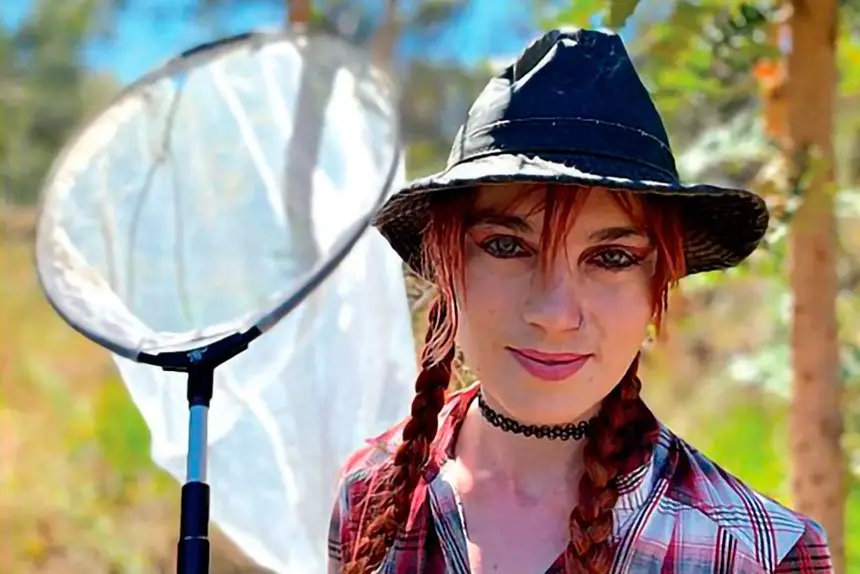
A groundbreaking study led by Kit Prendergast from the University of Southern Queensland has found that introduced honey bees could be contributing to the decline – and even potential extinction – of native bees across Australia.
Dr Prendergast’s study is the first of its kind in Australia.
It found that areas with high honey bee densities were linked to a male-biased sex ratio in native bees, a factor that could severely impact reproduction rates.

“This is significant because a shortage of female bees can reduce the number of offspring being produced in a population,” Dr Prendergast said.
“Eventually, this could lead to population declines and potentially even local extinction. Declines in native bees could jeopardise wildflower genetic diversity and reproduction.
“It could potentially impact food security in the long term and ultimately lead to the loss of native bee species – a crucial part of biodiversity that can never be recovered.”
Dr Prendergast and her co-authors are now calling for urgent policy changes to address the problem.
She emphasised that native bees were already vulnerable due to habitat loss and the reduction of native flowering vegetation. The added pressure from honey bees could be “the final straw” for some species.
Dr Prendergast found that native bees relied heavily on plants from the Myrtaceae family, which includes iconic Australian species like eucalyptus and bottlebrush. She suggested that planting more of these in gardens could help reduce competition and support native bee populations.
Australia is home to over 2000 native bee species, although only about 1700 have been formally described.
“Many native bees are important pollinators of Australia’s beautiful wildflowers,” said Dr Prendergast.
“Some even contribute to crop pollination, which ultimately benefits human health.”