

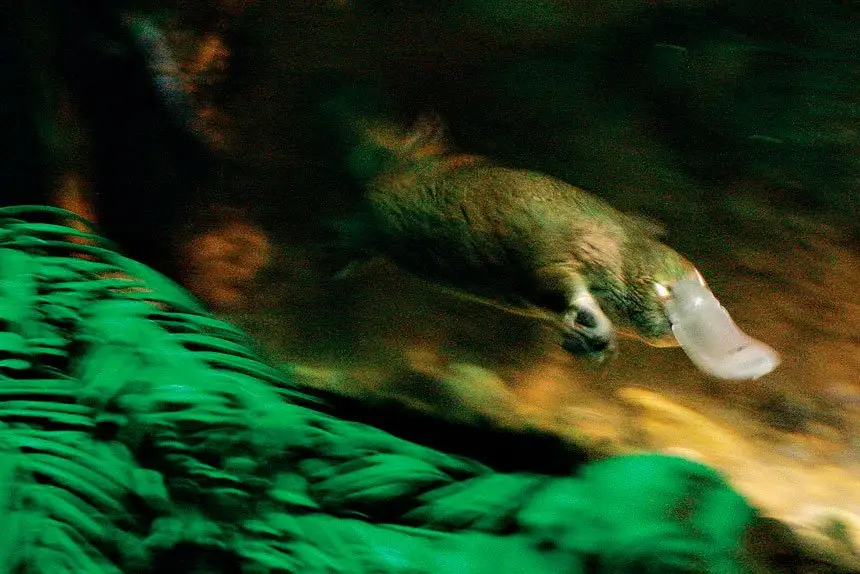
PLATYPUS monitoring in Ipswich waterways, and riverbank works along Black Snake Creek, are among major projects delivered under a record $30 million Resilient Rivers program.
The Council of Mayors (SEQ) announced last week more than 30 projects to be rolled out over the next two years under the program.
Funding includes $21.3 million already committed through the SEQ City Deal, a partnership between the Federal Government, Queensland Government and Council of Mayors (SEQ), alongside $8.7 million from partners including SEQ councils and Seqwater.
Projects include:
- Conducting South East Queensland’s first regionally coordinated environmental DNA (eDNA) survey to detect threatened species such as platypus, freshwater turtles and endangered lungfish.
- Improving riverbank vegetation and water quality along Black Snake Creek in Ipswich.
- Planting 5000 native plants, reducing floodplain erosion along Lower Lockyer Creek and preventing about 1000 tonnes of sediment from entering the creek each year. This will help maintain water quality delivered to the Mt Crosby Water Treatment Plants, which supply more than half of Brisbane and Ipswich’s daily water.
- Planting more than 200,000 new native plants across 116ha to support habitat for wildlife including koalas, glossy black cockatoos, squirrel gliders and platypus.
- Releasing up to 30,000 cod fingerlings, along with 200 “cod hotel” fish shelters installed, and restocking fish across the Somerset region.
- Planting more than 10,000 natives at a 30ha area of high ecological significance in Lockyer Valley adjacent to Seven Mile Creek.
- Stabilising riverbanks along Mid Warrill Creek in the Scenic Rim at risk of major erosion.
Ipswich Mayor Teresa Harding said the Council of Mayors (SEQ) had come together as a region to manage and protect the whole region’s catchment.

“Rivers and creeks flow across council boundaries so by working together as a region we have the best possible chance to address issues that impact the whole catchment,” Cr Harding
said.