

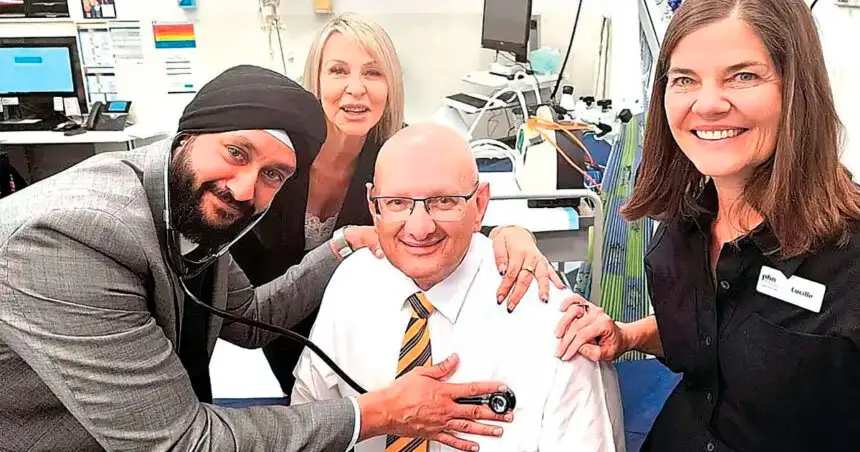
BEHIND every hospital bed, medical appointment and emergency response is a workforce putting in the hours to keep the community healthy – and new national research has recognised Ipswich’s healthcare workers as among Australia’s hardest working.
The region has ranked fifth out of 85 Australian regions for its healthcare workforce, highlighting the dedication of doctors, nurses, allied health professionals and support staff working across an industry facing growing demands.
The result is welcome recognition for the people who keep essential health services operating around the clock, often working long shifts and sacrificing evenings, weekends and time with their families to care for others.
The national Hardest-Working Index places Ipswich’s overall workforce 22nd nationally, with a score of 56.69 out of 100, but it is the healthcare sector where the region really stands out.

Local healthcare workers averaged 25.4 hours per week, with shifts lasting an average of 7.9 hours, highlighting the significant contribution of those working across one of the region’s most essential industries.
The figures also shine a light on the commitment of workers who keep services running while much of the community is asleep.
Almost one in five working hours across the region – 18.7 per cent – takes place during evening and overnight shifts, 53 per cent higher than expected.
Those hours reflect the around-the-clock nature of healthcare, where emergencies do not follow business hours and patients depend on medical professionals being available whenever they are needed.
Across all industries, Ipswich workers averaged 18.8 hours per week, seven per cent above what would typically be expected based on the region’s industry mix.
Average shift lengths were 7.1 hours, five per cent above expectations, while workers received an average of 5.5 days’ notice of their rosters.
The healthcare ranking comes as Ipswich continues to experience rapid population growth, bringing increased pressure on hospitals, general practices, emergency services and other health providers to meet the needs of an expanding community.