

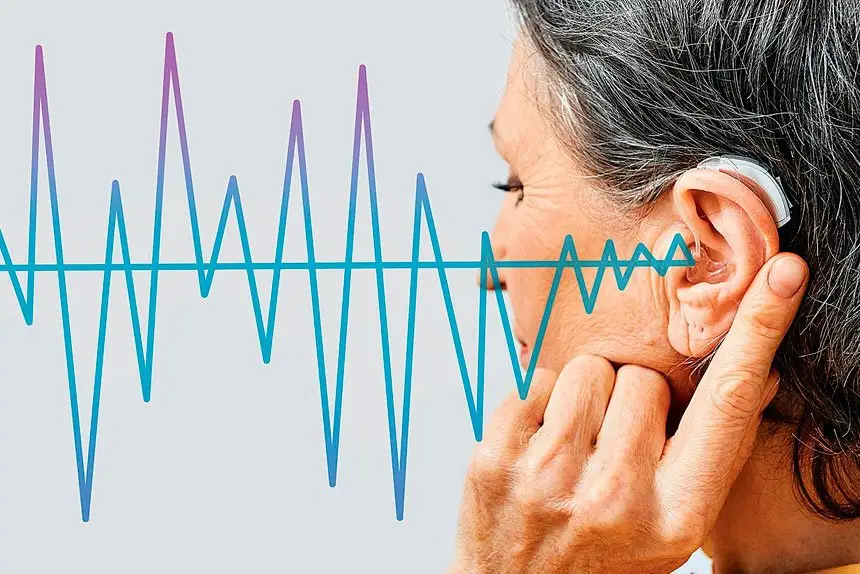
Deaf women are twice as likely to experience domestic violence – How perpetrators weaponise disability
Extracts from The conversation.com.au: Published: July 11, 2024
Author: Vanessa Letico: Lecturer in Criminology and Senior Policy Officer (Office for the Commissioner for Victims of Crime), Victoria University
The rising incidence of domestic violence in Australia has sparked widespread concern.
But for people with disabilities – especially those who are deaf – the risk and impact of abuse can be even more severe, hidden and complex.

The 2024 Royal Commission into Violence, Abuse, Neglect and Exploitation of People with Disability found 40 per cent of Australian women with a disability had experienced physical violence after the age of 15.
For deaf women, the situation is even more dire: they are twice as likely to experience domestic violence than hearing women, with some studies showing physical and sexual abuse rates up to 20 times higher.
One reason is the way abusers exploit deafness as a tool of control.
This includes destroying or withholding vital communication equipment such as cochlear implant magnets, hearing aids, or Bluetooth systems.
These devices are expensive and difficult to replace, often leaving victims isolated and unable to seek help or maintain employment – deepening their dependence on the abuser.
Another tactic is physical abuse targeted at fingers, hands, wrists, and arms – areas essential for sign language.
This type of violence not only causes physical harm but also silences the victim’s ability to communicate.
When it comes to reporting abuse, deaf victims face added hurdles.
Many police officers are not trained in Auslan (Australian Sign Language), and in some cases, perpetrators are allowed to interpret during police interviews.
This can lead to dangerous misinterpretations, with abusers twisting the narrative to portray themselves as the victim or discrediting the deaf person’s credibility.
These challenges point to a need for urgent reform.
If you or someone you know is experiencing abuse, contact 1800 RESPECT (1800 737 732).
Deaf and hearing-impaired people can also contact 1800 RESPECT via the National Relay Service.
In an emergency, call 000 or 106 (TTY users).