
TODAY, I’d like to talk about soil – your soil.
But what exactly is soil, and how do we define it?
Less than half the Earth’s surface is covered with topsoil capable of growing food.
And more of that precious land is disappearing every day, taken over by new factories, housing developments, roads, airports and our ever-expanding cities.

For those who remember, think back to the areas of Ripley and Brisbane’s northside – what they were like before.
Trees, grass, pastureland where cattle could roam. Sad, isn’t it?
We’ve lost touch with the soil. We’ve grown away from the earth.
Soil is alive – it’s animal, mineral and vegetable all at once.
Yet the fertility of the world’s topsoil is in decline, impacted by chemical overload and the relentless demands of urban sprawl.
Before the 1850s, there were no chemicals used in agriculture. Farmers relied on traditional methods handed down over thousands of years.
But around that time, a theory emerged that soil could be improved through additives. From that humble beginning, the chemical fertiliser industry was born – and, as we now see, some devastating consequences followed.
Liquid manure is a valuable fertiliser. It’s rich in nitrogen and should be diluted at a ratio of 1 part manure to 20 parts water.
All manures can be used, but some are quite strong and shouldn’t be applied near young plants.
Fortunately, there are now countries reclaiming sand and desert land, turning it fertile using clever water-saving techniques. Even in Australia, food is being grown in desert communities.
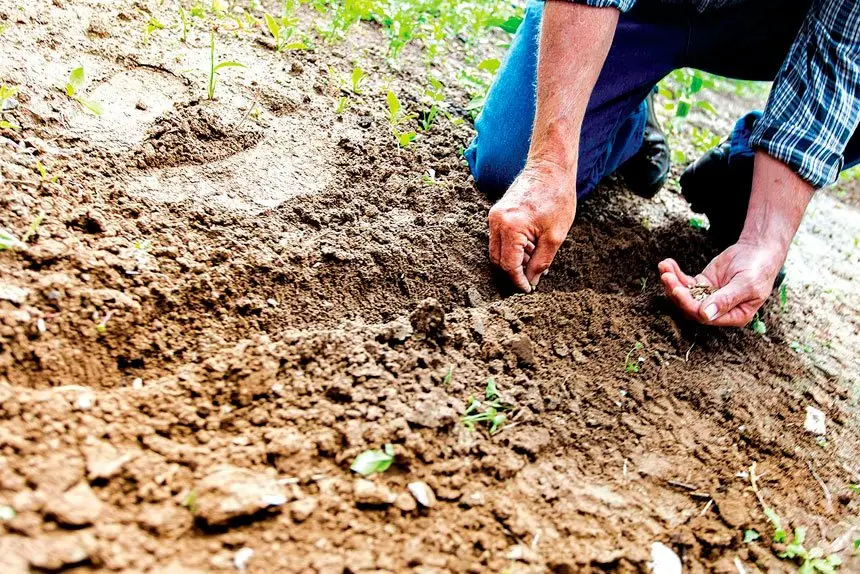
There are many ways to enrich your soil. If you have a small garden, dig a shallow hole and bury your kitchen scraps in it, covering each time to deter night visitors. Once the hole is full, cover it and let it rest, then start a new one nearby.
With this simple groundwork – plus some added manure – you’ll create a rich bed for growing vegetables.
Organic farmers work with nature, using no synthetic fertilisers. It’s not lazy farming – in fact, it takes great skill and effort to do it well.
So, let’s take care of our soil.
Till next time.