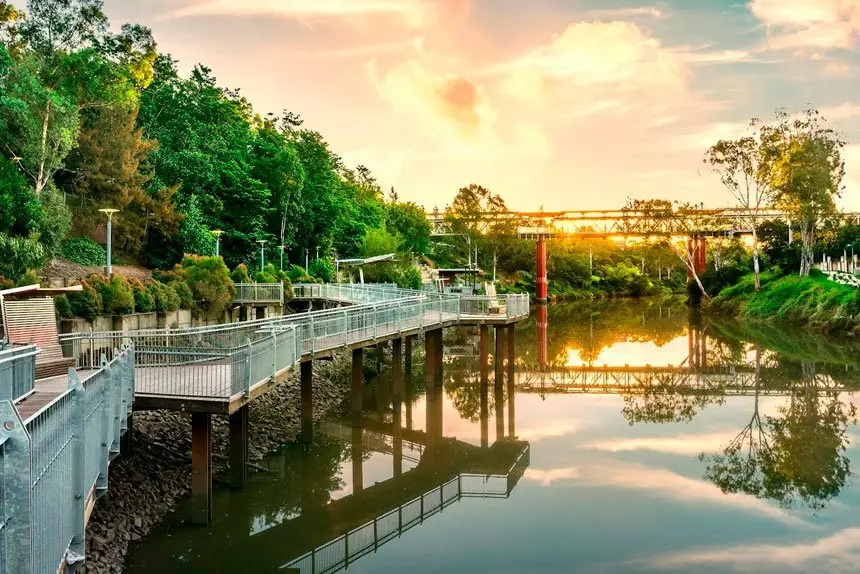

A GROUP of 12 dedicated residents braved the early morning chill last Sunday to take part in a community-led Platypus Watch across three Ipswich waterways, collecting vital data on one of Australia’s most unique and vulnerable species.
Organised by Springfield Lakes Nature Care Inc President Luise Manning, the survey began at sunrise and spanned four monitoring sites across Opossum, Sandy, and Woogaroo Creeks.
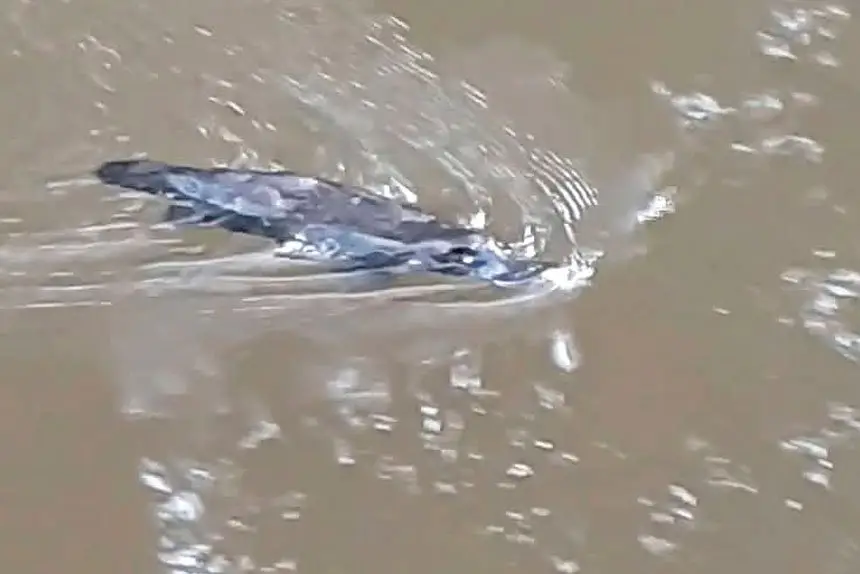
Sandy Creek in Carole Park lived up to its reputation, with one lucky platypus sighted patrolling a section of the creek and feeding.
“Sandy Creek once again delivered,” Ms Manning said.

“It’s always exciting to have a confirmed sighting, but even non-sightings are valuable, as they help us understand where platypus are disappearing from.”
Participants were treated to a short talk by from Wildlife Queensland’s Tamielle Brunt, who explained that platypus numbers 0were declining.
“Data from 17 years of studies shows that while platypus are resilient creatures, they can’t survive in creeks where drought or sediment build-up has turned deep waterholes into shallow pools,” Ms Manning said.
“Opossum Creek has been a case study in environmental change. In 2020, the creek was home to a male platypus that was captured, microchipped and released at Brookwater.
“But construction of a new sewer pipeline by Urban Utilities caused major disturbances to the creek banks both upstream and downstream, impacting populations of macroinvertebrates such as mayfly larvae, glass shrimp, and molluscs – the platypus’s primary food sources.”
Recent cyclone-driven flash flooding in March has washed out some sediment, raising hopes the platypus might return, but Ms Manning warned that their movements are often restricted by physical barriers.
“They don’t like to travel on land, as they are slow-moving and vulnerable to predators like foxes and wild dogs,” she said.
Despite mounting evidence of decline, platypus are not listed as vulnerable or threatened in Queensland.
The last statewide census was conducted in 2002 by the late Rick Natrass as part of the Great Queensland Platy Search, which recorded more than 430 sightings across 102 rivers, creeks, and water impoundments.
Ms Manning stressed the need for local monitoring.
“Our Platypus Watch surveys are critical. This work helps us protect their habitat and hopefully secure their future.”