

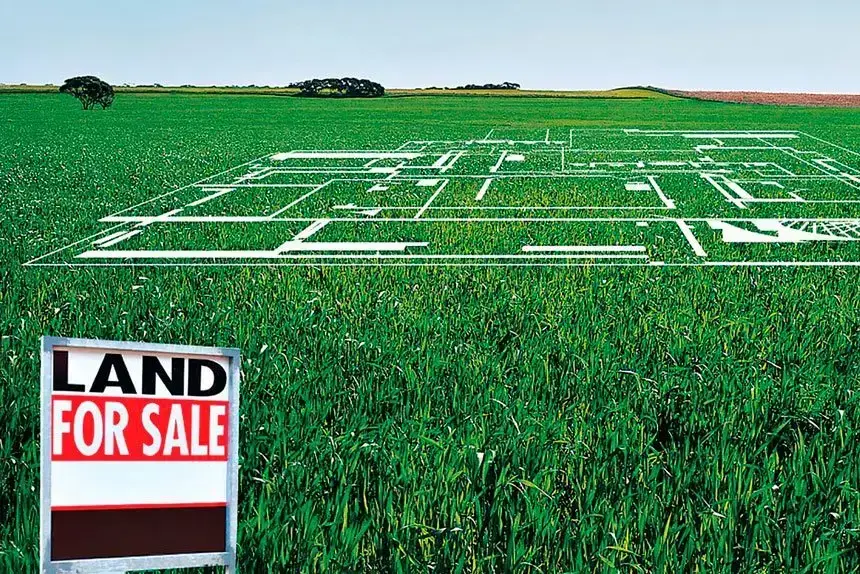
AUSTRALIA’S ambitious goal of building 1.2 million new homes over five years is facing a steep climb – thanks to skyrocketing land prices.
The median price of residential land jumped 6.8 per cent over the 2024/25 financial year – more than triple the rate of inflation, according to the latest HIA-Cotality Residential Land Report.
HIA Chief Economist Tim Reardon says the fastest rises are in states that were once the nation’s bargain bins for land.
“Western Australia, South Australia, and Queensland have seen strong population growth and construction activity, but lot prices are now climbing fast,” Mr Reardon said.

Brisbane lots overtook Melbourne for the first time in nearly a decade, rising 9.2 per cent.
Perth lots surged 29.8 per cent over the year, almost 50 per cent over 18 months. Adelaide remains relatively affordable, but even there, land costs jumped 8.1 per cent, nudging buyers toward smaller blocks
But it’s not all doom and gloom. The report points to bright spots: falling interest rates are giving land sales a lift, and state governments are actively streamlining approvals and boosting the supply of shovel-ready lots.
These efforts could help keep the construction pipeline flowing and support more new homes hitting the market in coming years.
Cotality economist Kaytlin Ezzy said that while construction costs remained higher than pre-pandemic levels, the recent rate cuts were a boon for buyers and developers alike.
“We’re seeing more land sales and renewed activity in housing markets, which should filter through to higher approvals and commencements in the near future,” she said.
Mr Reardon added that smart policy action – such as maintaining a pipeline of affordable, serviced land and investing in infrastructure – could help Australia balance demand, improve housing supply, and ease affordability pressures, particularly in smaller capitals.
In short, yes, land prices are climbing – but with supportive policy, lower interest rates, and ongoing investment in infrastructure, Australia still has a chance to reach its 1.2 million homes goal.
HIA