

SCHOOL teachers have welcomed the nation’s new social media age ban, saying it will help reduce classroom distractions and ease the burden of policing students’ online behaviour.
From December 10, anyone under 16 will be banned from using major social media platforms – including TikTok, Instagram, Facebook, Snapchat, X and YouTube – under the Online Safety Amendment (Social Media Minimum Age) Act 2024.
The new law requires platforms to verify users’ ages and remove underage accounts, with fines of up to $49.5 million for non-compliance.
Educators say the change is long overdue, with many teachers spending increasing amounts of time managing the fallout from social media use among students – from online bullying and peer conflict to sleep-deprived teens struggling to focus in class.

A local high school teacher whose name has been withheld said she saw the effects of social media “every day in the classroom”.
“We deal with arguments that start online and spill into school, students distracted by notifications, and constant anxiety about likes and follows,” she said.
“If this law gives them a break from that, it’s a positive step.”
Teachers also believe the ban could improve students’ mental wellbeing and reduce cyberbullying, which remains a major concern in schools nationwide.
A spokesperson for the Department of Education said the department supported the new law and was rolling out resources to help schools, families and students prepare.
“The eSafety Commissioner is leading the implementation of these changes and has developed a comprehensive suite of resources to assist schools, families, and students,” the spokesperson said. “Students in Queensland state schools already adhere to the Away for the Day policy, which prohibits mobile phone use during school hours.
Access to social networking websites is also restricted when students are connected to the school network.”
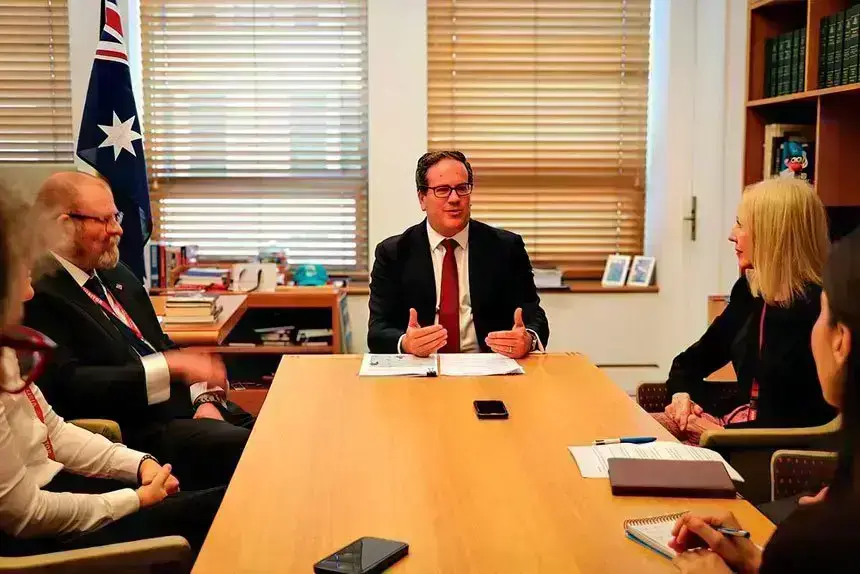
Federal Member for Blair Shayne Neumann said the Government had taken bold action with the ban.
“We want to see young people off their devices and getting more active,” he said.
“This change will mean more time to learn, grow and just be kids – to play sport, read, sleep, and spend more time with family and friends.”
To help prepare for the change, headspace recommends parents and teachers start conversations with young people about how the new rules might affect them, and explore alternative ways to stay connected – such as through phone calls, group chats, or in-person activities.
While Australia’s new minimum social media age of 16 will be among the world’s toughest, supporters hope the move will set a global precedent for online safety.
For teachers, it represents a long-awaited chance to focus more on learning – and less on screens.