

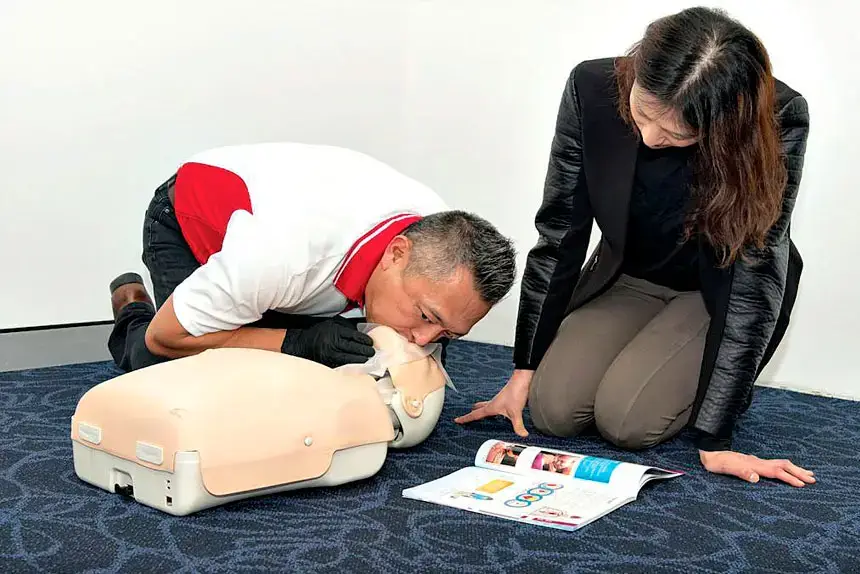
AS Ipswich residents have flocked in numbers to the water this summer, locals are being urged to refresh their CPR and first aid skills amid warnings that Australia is in its deadliest drowning period of the year.
From families cooling off at Orion Lagoon, to weekend swims at public pools and day trips to regional favourites such as Wivenhoe Dam and Lake Moogerah, water is central to Ipswich life. But experts warn that familiarity and confidence around water can also breed complacency.
The National Drowning Report 2025 released by Royal Life Saving Australia recorded 357 drowning deaths nationwide in the 12 months to June 30, 2025 – a 27 per cent increase on the 10-year average. The danger peaks over summer, with 102 lives lost between December and February last season, equating to more than one drowning death every day.
The Christmas holiday period was the most dangerous of all, with 17 people drowning between December 25 and January 1.

Director of National First Aid Courses, Samuel Bohr, said the figures were a sobering reminder for communities like Ipswich, where water activities are a way of life.
“Ipswich residents love the water, whether it’s a swim at Orion Lagoon, laps at the local pool, or heading out to dams and waterways across the region,” Mr Bohr said.
“But that enjoyment comes with responsibility. Knowing what to do in an emergency could mean the difference between life and death for someone you love.”
Drowning incidents continue to occur across a range of environments, with coastal locations accounting for the highest proportion of deaths, followed by inland waterways such as rivers and dams, and then swimming pools.
Mr Bohr said while the statistics are confronting, they also highlight how powerful immediate first aid can be.
“Immediate CPR can improve drowning survival rates by up to 50 per cent,” he said.
“In pool-related incidents, survival rates can increase by as much as 79 per cent. The key factor is time – every minute CPR is delayed reduces the chance of survival by around 10 per cent.”
First aid experts stress that action must be immediate. Rescuers should first ensure the area is safe, remove the person from the water without placing themselves at risk, and check for a response.
Emergency services should be contacted straight away, the airway checked and cleared if necessary, breathing assessed, and CPR commenced if the person is not breathing normally.
An automated external defibrillator should be used as soon as it is available, and medical assessment is essential even if the person regains consciousness.
Mr Bohr said investing just a few hours in first aid training could save a life this Ipswich summer.