

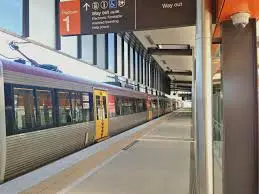
PUBLIC transport use among Ipswich commuters has climbed sharply since 50-cent fares were made permanent, with patronage across the local government area up 18 per cent over the past year.
The increase mirrors a broader statewide rise of 21 per cent in public transport use since the State Government locked in the cheapest fares in Queensland’s modern history.
For many Ipswich residents who rely on daily rail and bus services to Brisbane and surrounding centres, the fare reduction has delivered meaningful household savings and driven a clear return to public transport.
Commuters at Springfield Central station this morning told Local Ipswich News the lower fares were making a noticeable difference to their weekly budgets.

“It saves a lot of money each week, especially if you travel to work in the City evey day,” Springfield Lakes commuter Mark Thompson said. “I used to drive some days, but at 50 cents it’s cheaper to catch the train and get off at Central.”
Another commuter, Camira resident and university student Anyah, said the permanent fares had taken pressure off students already juggling rising living costs.
“Between rent, food and textbooks, every dollar counts. Knowing the fare isn’t going back up makes it a lot easier,” she said.
Across Queensland, commuters have saved an estimated $423 million in the past 12 months, with around 200 million public transport trips recorded. Those journeys included more than 54 million train trips, 122 million bus trips and more than 14 million tram trips.
Minister for Transport and Main Roads Brent Mickelberg said Ipswich was among the communities seeing the strongest benefits from the permanent fare change.
“Ipswich commuters are experiencing real, ongoing cost-of-living relief,” he said. “Permanent 50-cent fares are making public transport a more affordable and reliable option for travel to work, school and essential services.”
The Ipswich rail corridor remains one of South East Queensland’s busiest commuter routes, with workers and students travelling daily to Brisbane and major employment hubs. The Government said the certainty of permanent fares has encouraged more commuters to leave their cars at home.
Strong growth has also been recorded elsewhere in South East Queensland, including Brisbane (22 per cent), Moreton Bay (24 per cent) and the Gold Coast (20 per cent), with Ipswich’s rise highlighting increasing demand from outer-suburban and regional commuters.