

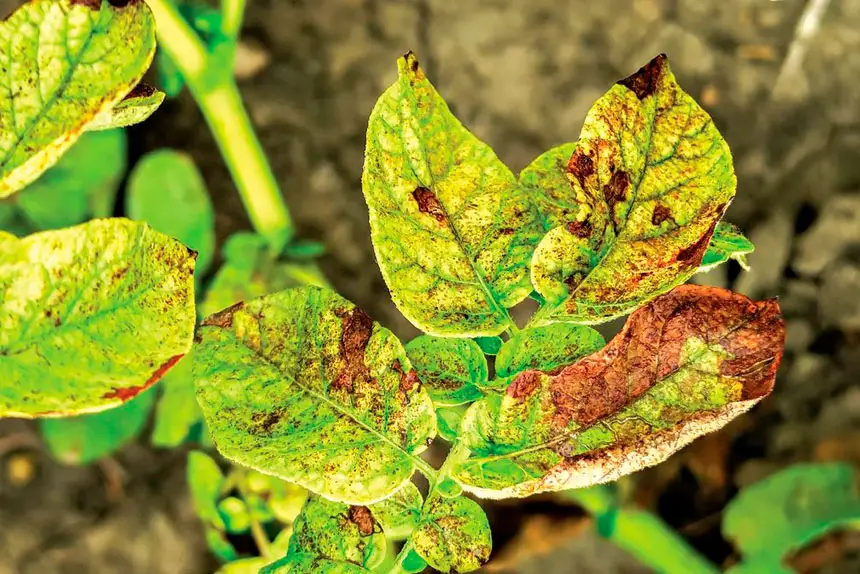
Our farmers have to put up with a lot of diseases that can affect their crops, constantly finding ways to manage the battle between eliminating pests or fungi and treating crops with a safe “fix” that won’t harm those who eventually consume the product.
One such disease is stripe rust, also known as yellow rust – a wind-borne disease caused by pathogens that significantly impact wheat production in Australia and globally.
Rust spores infect wheat leaves, impairing their ability to produce grain, and the disease is widespread across wheat-growing areas of Australia.
Stripe rust was first detected in Australia in 1979 and was considered an exotic incursion from Europe. Like most diseases, it has continued to mutate over time, making it an ongoing battle for farmers to manage and control.

Over the years, Australia has employed various strategies through the Cereal Rust Control Program to counter this scourge of the wheat crop.
Resistant varieties have been planted; however, in 2025 the UK observed a series of new strains affecting wheat crops, with much of Europe now facing a similar problem.
After extensive experimentation, it appears an all-stage resistant gene, known as Yr15, is currently being used due to its broad effectiveness against stripe rust. This has led to its adoption in European wheat-breeding programs.
As with the story a few weeks ago regarding the starlings, it’s not yet known whether this new gene will have lasting effects, or whether it could eventually impact Australian crops.
The situation is being closely monitored and, hopefully, provided the disease doesn’t migrate from Europe to Australia, a local “fix” may yet be found.
Till next time.