
AS Ipswich City Council pushes ahead with plans to transform the region into a “clean, green, circular economy city”, new research has highlighted the need for circular economies to deliver social and economic benefits alongside environmental gains.
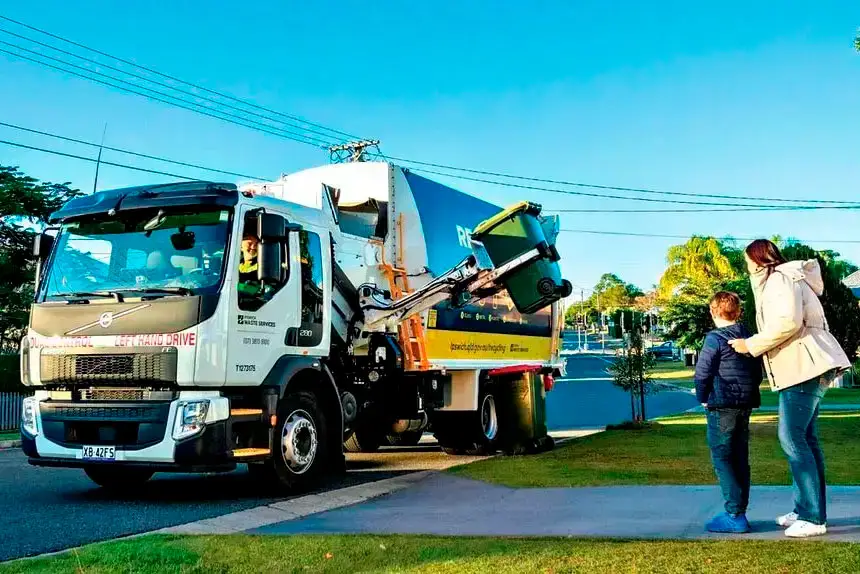
The city has embraced a long-term circular economy strategy through initiatives including its Waste and Circular Economy Transformation Directive, Resource Recovery Strategy, city-wide three-bin rollout and regional recycling partnerships designed to reduce reliance on landfill.
Council has set targets to divert 70 per cent of waste from landfill by 2030 and 95 per cent by 2050, while investing in infrastructure such as resource recovery centres, organics recycling programs and community-led initiatives including toy libraries.
Ipswich Mayor Teresa Harding said the city was already seeing strong results from the strategy.

“The introduction of the Waste and Circular Economy Transformation Directive in 2020 was one of the first measures of the then new Council and it has been an ongoing success,” Cr Harding said.
“Now, in 2026, Council is on track to achieving our targets having made significant inroads in diverting waste from landfill.
“A citywide Garden Organics service began in mid-2025 with more than 90,000 households now using the three-bin system, diverting almost 10,000 tonnes of green waste from landfill in its first six months.
“The on-demand bulky waste kerbside collection has achieved strong recycling rates, approaching 70 per cent, further reducing waste to landfill.”
Cr Harding said Council had also recorded a 70 per cent reduction in waste odour complaints over the past year, with 2025 delivering the lowest number of complaints since the directive was introduced.
“Council’s strategic approach is delivering steady progress towards a more sustainable and resourceful Ipswich, as we continue to build on this momentum with the next iteration of the Waste and Circular Economy Transformation Directive,” she said.
However, researchers from Charles Darwin University say environmental outcomes alone are not enough to
ensure the long-term success of circular economy models.
The study, led by Senior Lecturer in Business Michael Odei Erdiaw-Kwasie and psychosocial resilience researcher Matthew Abunyewah, found that the social impacts of circular economies are often overlooked despite widespread support for reducing waste and extending the life of materials.
Researchers argue circular economy systems should also strengthen communities by creating jobs, supporting local businesses and ensuring vulnerable groups are not excluded from the transition.
The findings are particularly relevant for fast-growing regions such as Ipswich.