
THE devastating loss of her five-year-old niece has driven a University of Southern Queensland researcher to help expose the hidden financial toll childhood cancer places on Australian families.
UniSQ academic and Ipswich local Dr Kate Cantrell is a researcher and co-author of a landmark national study examining the financial hardship families can face during and long after a child’s cancer treatment.
But for Dr Cantrell, the research is deeply personal.
In 2023, her niece Emily was diagnosed with neuroblastoma, a rare and aggressive childhood cancer. She died following complications during treatment, shortly after turning five.

That experience has helped shape Dr Cantrell’s work on The Hidden Financial Crisis: The Financial Toxicity of Childhood Cancer in Australia, which reveals families can face years of lost income, disrupted careers and mounting expenses following a diagnosis.
“Behind every diagnosis is a family navigating not only the emotional and medical challenges of treatment, but significant financial hardship as well,” Dr Cantrell said.
“This research confirms the impacts can extend for years, affecting employment, household finances, physical and mental wellbeing, and family relationships. Financial toxicity can be just as devastating as the toxicity caused by treatment.”
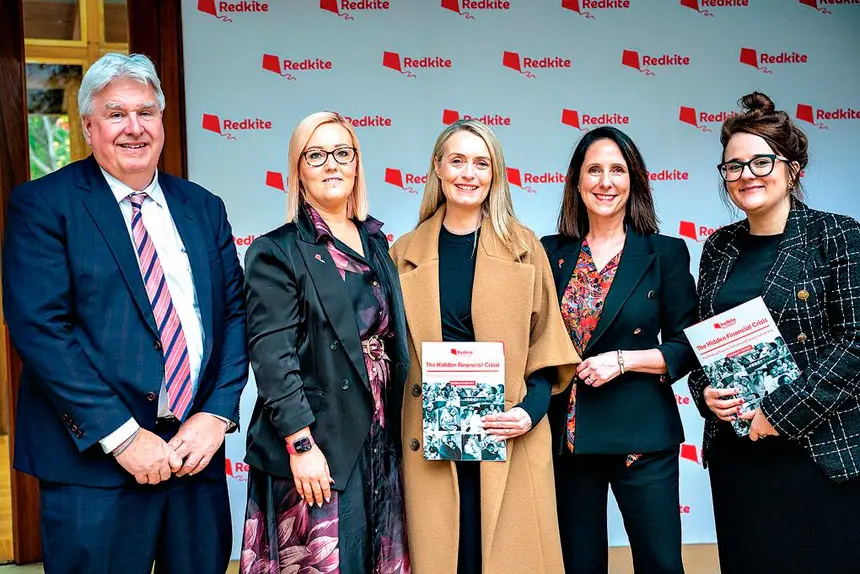
The report, led by national childhood cancer charity Redkite and developed with UniSQ and other Australian research institutions, was launched at Parliament House in Canberra.
The research found families faced substantial out-of-pocket expenses at the same time as parents were forced to reduce working hours, take extended leave or leave the workforce altogether.
Average out-of-pocket costs were about $33,000 following a child’s diagnosis, while 95 per cent of parents experienced at least one change to their employment.
More than half of families whose child had been diagnosed five or more years earlier reported they had still not returned to their previous employment or income levels.
Redkite said unmet financial needs had increased compared with its previous 2021 research, reflecting cost-of-living pressures.
The national research collaboration involved Redkite, UniSQ, UNSW, QUT, Canteen and Cancer Council Queensland.