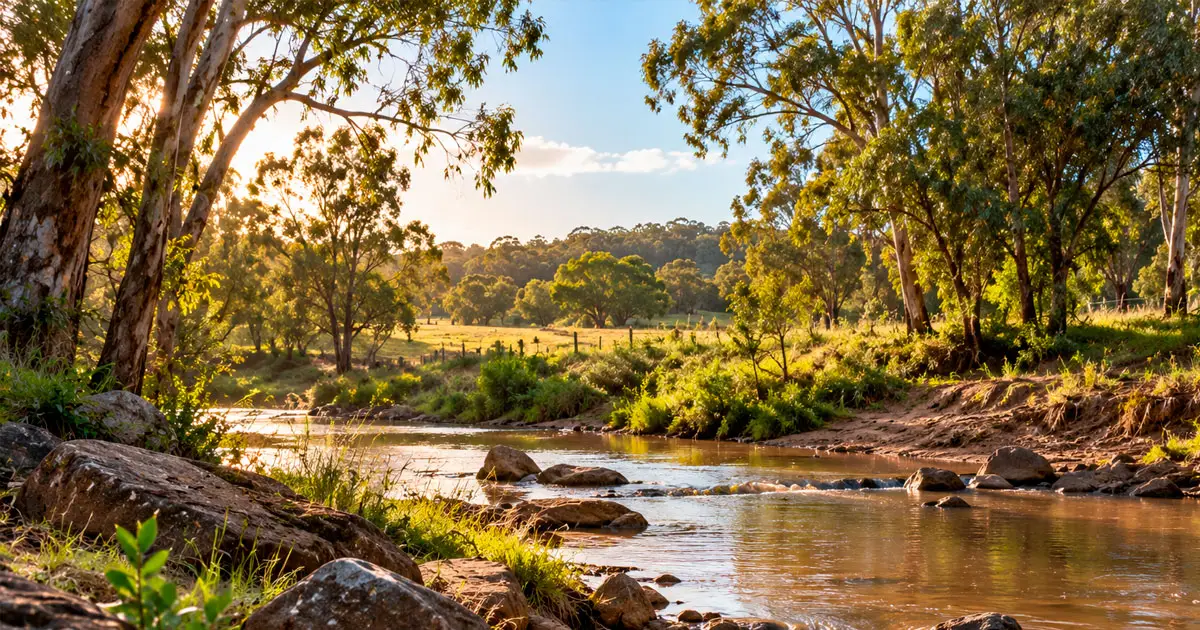

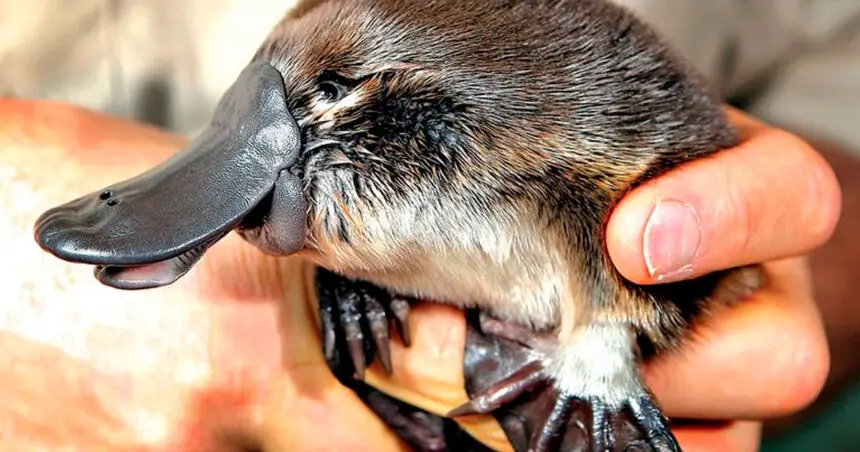
IPSWICH’S platypus numbers are still hanging on in the city’s urban creeks.
Latest monitoring has detected the iconic species across several waterways, but a fragmented local population and rapid urban growth are adding weight to warnings about its future.
The latest Ipswich City Council environmental DNA monitoring found evidence of platypus in 12 of 40 water samples taken from Bundamba, Six Mile, Woogaroo, Opossum and Sandy creeks, with another five samples indicating their possible presence.
The results from the last eDNA survey represented a significant improvement after several years of low detection rates.

The local findings have taken on greater significance as conservationists and researchers warn platypus distribution across Australia may have shrunk by almost 25 per cent over the past two decades and potentially by as much as 30 per cent.
The Australian Conservation Foundation (ACF) and University of New South Wales platypus researcher Associate Professor Gilad Bino are now calling on the Federal Government to fund Australia’s first national platypus survey.
Ipswich City Council has monitored local platypus populations with Wildlife Queensland since 2015, using eDNA testing across Bundamba, Six Mile, Woogaroo, Opossum and Sandy creeks as well as sections of the mid-Brisbane River between Sapling Pocket and Kholo Bridge.
Community monitoring has also provided encouraging signs around Springfield and Camira.
Springfield Lakes Nature Care volunteers, working with Wildlife Queensland’s Platypus Watch, have consistently recorded platypus in Sandy Creek since monitoring began in 2021, while animals have occasionally been spotted in Woogaroo Creek.
Surveys have recorded between one and three animals, with a section of Sandy Creek containing deep pools and dense vegetation considered habitat for at least three platypuses.
Rapid urban growth, erosion, sediment, pollutants, deteriorating creek banks, vegetation loss and barriers within waterways are among the pressures.
Six Mile Creek, which runs through areas including Redbank Plains, New Chum, Collingwood Park and Redbank, has previously recorded platypus but is also experiencing the impacts of significant urban development.
Woogaroo Creek and its tributaries also run through some of Ipswich’s fastest-growing communities, including Springfield, Springfield Lakes and Redbank Plains, placing the survival of platypus alongside the broader challenge of protecting waterways as the city expands.
“To suggest there is no evidence of decline in Australia’s national platypus population is simply incorrect,” Professor Bino said.