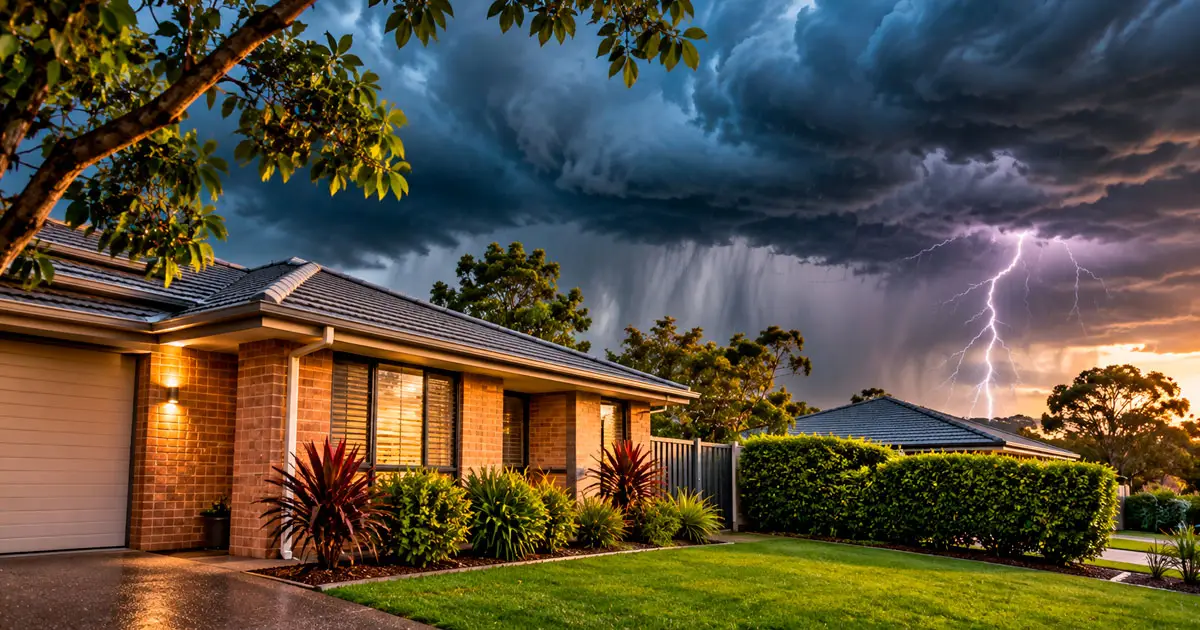

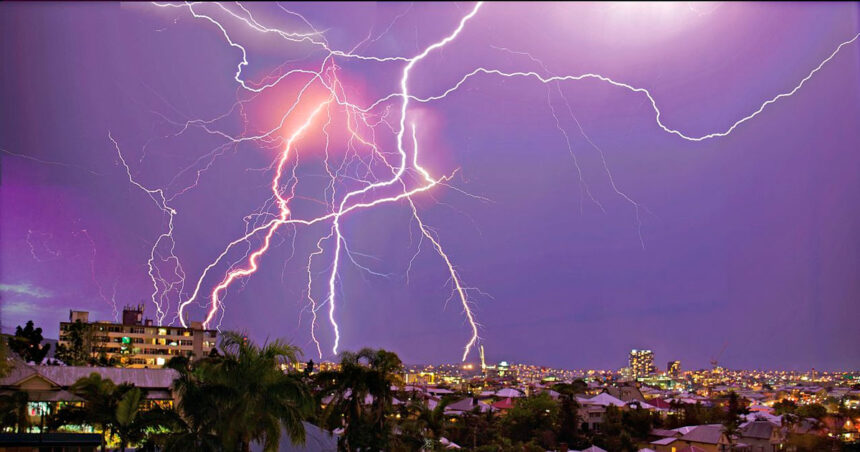
SUMMER in South East Queensland means backyard barbecues, beach trips and long, hot afternoons, but it also brings a dangerous combination of thunderstorms, destructive winds, flash flooding and the ever-present threat of severe weather.
For many Queenslanders, the familiar rumble of afternoon thunder is simply part of summer. However, severe thunderstorms can develop rapidly, bringing damaging wind gusts, intense rainfall, large hailstones and dangerous lightning with little time to react.
The message for households is simple: the best time to prepare for a summer storm is long before one appears on the radar.
Preparing a property does not necessarily require expensive renovations or major improvements.

Clearing gutters and downpipes of leaves, branches and debris is one of the most important tasks, helping rainwater flow away from the home rather than overflowing into ceilings, walls or foundations.
Homeowners should also inspect their roofs for loose tiles, damaged flashing and other signs of wear, arranging professional repairs before heavy rain exposes existing weaknesses.
Around the backyard, outdoor furniture, trampolines, garden decorations and lightweight equipment should be secured or stored away when severe weather is forecast.
Overhanging branches and damaged trees also deserve attention, particularly those close to homes, fences and electricity infrastructure.
One of the most common consequences of severe summer storms is the sudden loss of electricity.
Fallen trees, damaged powerlines and lightning strikes can leave entire neighbourhoods without power, sometimes for extended periods while emergency crews work to restore services.
Emergency authorities recommend maintaining a household emergency kit containing essential supplies that can be accessed quickly.
A battery-powered torch, portable radio, spare batteries, first-aid supplies, drinking water, non-perishable food and a fully charged power bank are among the most useful items.
Important documents, including identification, insurance policies and medical information, should be stored in waterproof containers or securely backed up digitally.
A battery-powered radio can be particularly valuable when mobile networks become congested or internet services are disrupted.
Residents who rely on electrically powered medical equipment should have a specific backup plan in place before an outage occurs.
While dramatic lightning and powerful wind gusts often attract the most attention, flooding remains one of the most dangerous consequences of Queensland’s summer storm season.
Intense rainfall can transform normally quiet suburban streets, creek crossings and rural roads into hazardous waterways within minutes.
Motorists are particularly vulnerable when attempting to cross flooded roads, with water capable of concealing washed-away surfaces.