
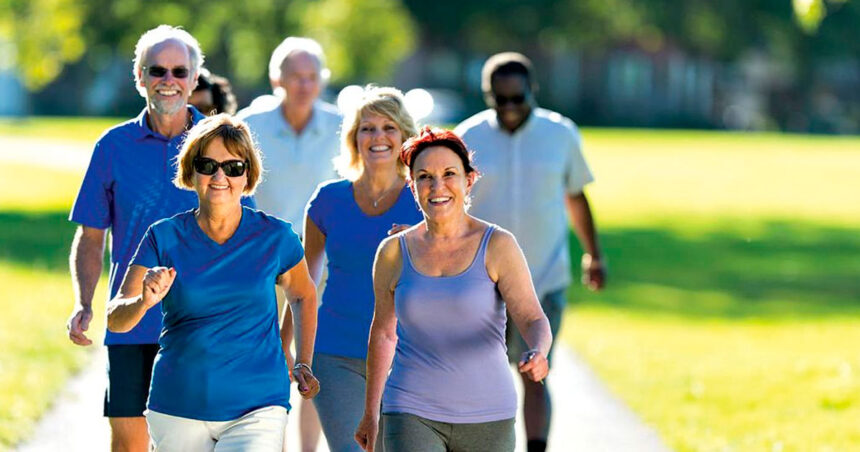
WALKING may be one of the easiest ways to stay active as we age, but new research suggests older Australians could be overlooking a crucial part of their health by relying on their daily stroll alone.
Research involving 1400 Australians aged over 50 found most had a poor understanding of bone health and osteoporosis, despite the potentially devastating consequences of fractures later in life.
Participants recorded an average bone health and osteoporosis knowledge score of just 29.5 out of 100, while more than half could not identify the types of exercise that could help prevent osteoporosis.
Curtin University School of Population Health Professor Deborah Kerr said one of the major misconceptions identified was the belief that virtually any form of physical activity would protect bones.

“We found that people thought any exercise was good,” Professor Kerr said.
Walking and swimming remain valuable forms of exercise, particularly for cardiovascular fitness, but Professor Kerr said they provided little benefit when it came to building bone strength.
Instead, resistance and weight-bearing exercise is important because placing force through bones can stimulate new tissue growth while also helping maintain muscle mass as people age.
“I always like to say, bones like to be stressed, but we don’t,” Professor Kerr said.
“It’s actually putting that force through the bone that’s really important, particularly for older people.
“It’s really helpful for increasing muscle mass as well as people age.”
The findings are particularly significant given the prevalence of osteoporosis in Australia.
The Australian Institute of Health and Welfare estimates about 835,000 Australians are living with osteoporosis, while one in two women and one in three men will experience an osteoporosis-related fracture during their lifetime.
Despite that risk, researchers found many older Australians were more concerned about their weight than the health of their bones.
Professor Kerr warned an excessive focus on remaining slim could potentially make matters worse, particularly when people restricted their food intake.
Bone health relies on adequate nutrition, including protein and calcium, together with vitamin D and regular resistance or weight-bearing exercise.
Adults up to 50 require about 1000mg of calcium each day, while the recommended amount rises to 1300mg for people aged over 70.
Vitamin D also plays an important role by helping the body absorb calcium and phosphorus, while strength and resistance exercises help stimulate bone and muscle growth.
Researchers also found the potential consequences of osteoporosis were poorly understood.