
When it comes to water safety, the earlier children begin learning to swim, the better prepared they can be for a lifetime around water.
For Australian families, water is part of everyday life. Pools, beaches, rivers and backyard swimming are places where children play, explore and create some of their happiest memories.
But with that comes an important responsibility: helping children develop the skills, confidence and respect for water they need to stay safe.
That is why Rackley Swimming’s Born to Swim philosophy starts with a simple belief: children are ready to begin their swimming journey from an early age.

Research from Griffith University highlights the importance of the first 1000 days of a child’s development. This is a period when experiences can have a lasting impact on physical, cognitive and social development.
Swimming can play a unique role during these formative years, combining movement, coordination, confidence and connection with an essential life skill.
Importantly, learning to swim is not about creating a false sense of security. Swimming lessons are one part of a broader approach to water safety. Children still need constant, active supervision around water regardless of their swimming ability.
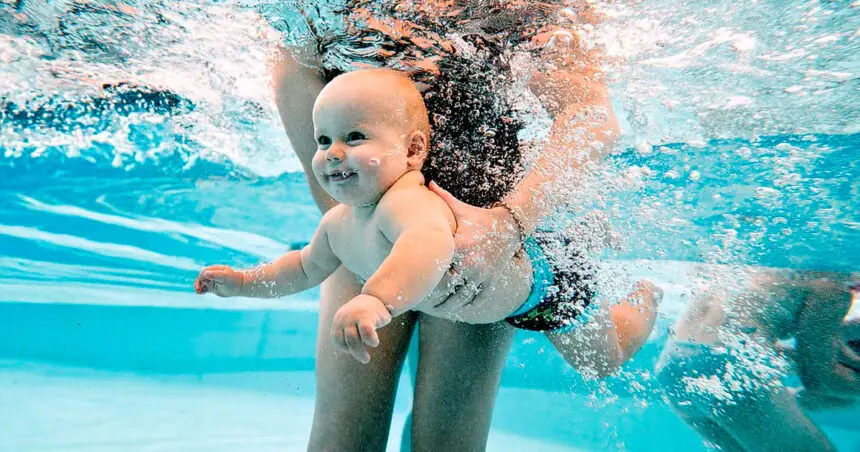
The pool provides a safe and structured environment for children to build skills progressively. From their first experience putting their face in the water, to learning to float, move independently, recover to the surface and eventually swim confidently, every milestone contributes to their water awareness and capability.
Just as importantly, early experiences can help children develop a positive relationship with water.
Born to Swim is about more than teaching children how to swim. It is about giving them the skills to participate, the confidence to explore and the knowledge to respect the water. For Australian children, learning to swim isn’t simply another activity on the weekly calendar.
It could be one of the most important life skills they ever learn.