
IPSWICH has powered past the 275,000-resident mark, with new figures revealing the city is adding an average of 167 people every week.
The city welcomed 8728 new residents in the 12 months to June 30, with its population growing 3.3 per cent to 274,582 at the end of the financial year.
That growth is equivalent to adding a population roughly the size of Charters Towers in just one year and means Ipswich has since passed the 275,000 milestone.
The population surge has been accompanied by a sharp rise in housing development, with 2875 new lots created during 2025-26 – up 35.6 per cent on the previous year and the highest annual figure since 2017.

A further 3157 new dwellings were created across the city during the same period.
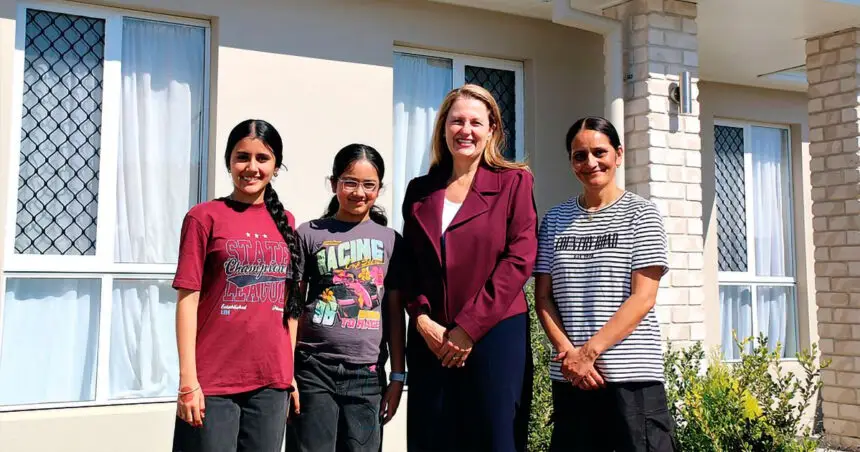
Ipswich Mayor Teresa Harding said the figures demonstrated the scale and speed of the city’s growth.
“Our population surged 3.3 per cent in the 12 months to 30 June to hit 274,582, which at 167 new residents calling Ipswich home each week means we have passed 275,000,” Cr Harding said.
For the first time in four years, Ripley has also lost its title as Ipswich’s fastest- growing suburb.
White Rock added 1890 residents during 2025-26, compared with an increase of 1625 at Ripley.
Redbank Plains, Deebing Heights and Spring Mountain rounded out the city’s five fastest-growing suburbs.
Ripley had held the top position every year since 2022, while Spring Mountain was Ipswich’s fastest-growing suburb in 2020-21.
Cr Harding said the numbers highlighted Ipswich’s increasingly important role in accommodating South East Queensland’s rapidly growing population.
“Council is ensuring land is available for homes, encouraging housing affordability and availability so that people can enjoy the vibrant and community-focused lifestyle we cherish in Ipswich as our population surges to an expected half a million by 2046,” she said.
“We saw 3157 new dwellings created across the city in that same time, alongside 2875 new lots, demonstrating the strength of Ipswich’s housing pipeline and our ability to accommodate growth.”
Development activity more broadly also climbed significantly.
Council received 1850 development applications during the financial year, an increase of 23.7 per cent.
The rapid expansion continues to put pressure on infrastructure investment across one of Australia’s major growth corridors.