
FOR most Australians, ordering a coffee, visiting the doctor or attending a community event are everyday experiences that rarely require a second thought.
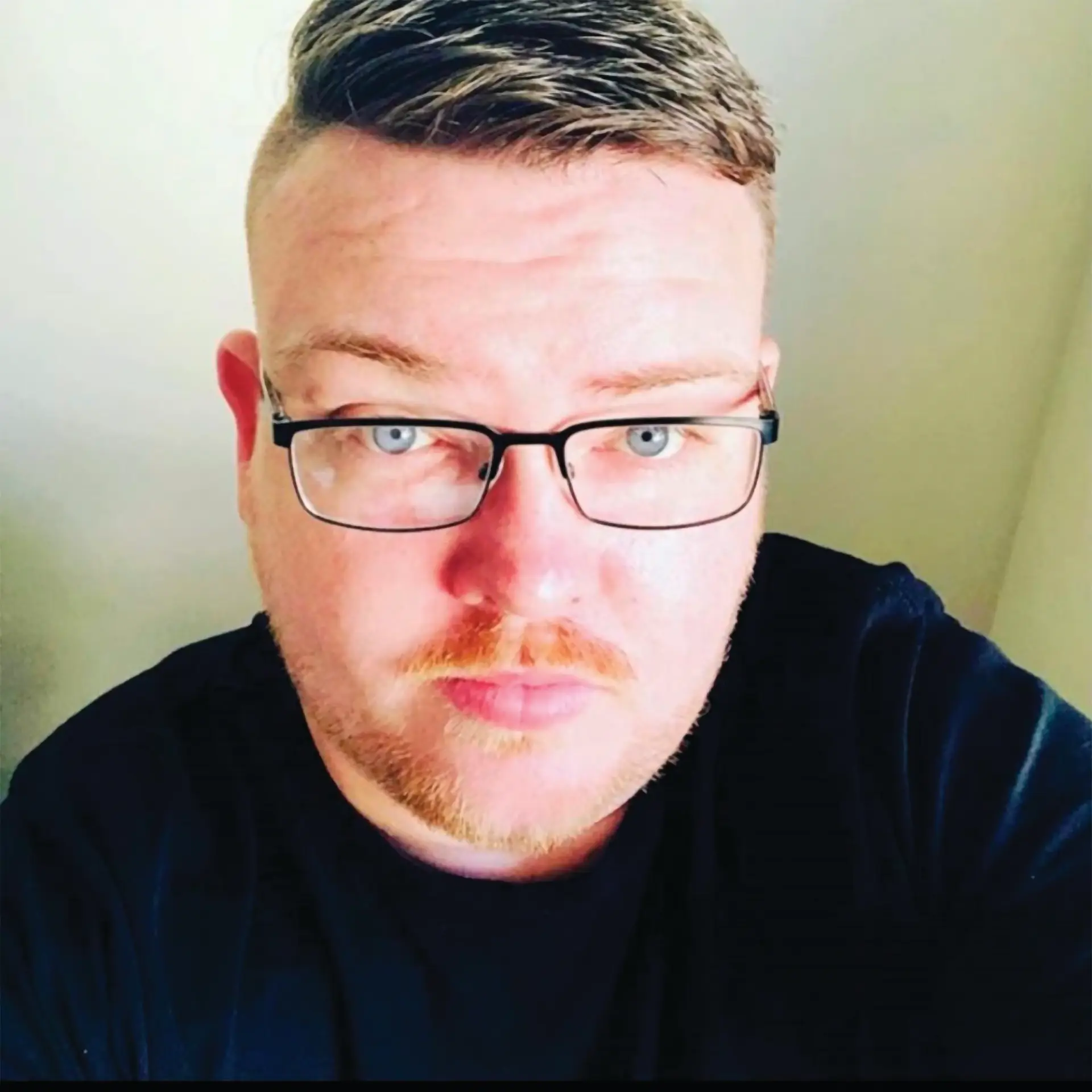
But for deaf people like Shawn Phua, those same moments can become frustrating barriers when accessible communication support is not available.
Marking National Week of Deaf People, the Bellbird Park deaf advocate is calling for greater awareness of the communication barriers still facing deaf Australians, including a shortage of qualified Auslan interpreters.
Born in Malaysia, Mr Phua moved to Australia with his parents when he was nine months old.

Now 34, he said his experiences of inaccessible education, barriers to employment and communication difficulties in everyday life had shaped him into a passionate advocate for equality, accessibility and the rights of deaf Australians.
“Communication barriers have been one of the biggest obstacles, especially when Auslan interpreters were unavailable,” he said.
“I’ve experienced social isolation, misunderstanding and discrimination, including audism and ableism, at times.
“Those experiences motivated me to become a disability advocate, Auslan trainer and community educator.”
For Mr Phua, many of those barriers began in the classroom, with Auslan not widely accepted within the education system during much of his schooling.
Instead, various communication and educational approaches were used, including Australian Signed English, Pidgin Signed English, Sign-Supported English, lip-reading, oral approaches such as Auditory- Verbal Therapy and Auditory- Oral Therapy, Cued Articulation and Cued Speech.
“My parents knew that I was bright and intelligent, but others, because of the education system, thought that I was only good enough to become a chef, cleaner or kitchen hand,” he said.
Mr Phua describes Auslan as far more than a means of communication.
“Auslan is an important part of my identity,” he said. “It is much more than a way to communicate.
“It allows me to express my thoughts, emotions, humour and personality naturally, while giving me equal access to information and helping me participate fully in everyday life.”
When an interpreter is unavailable, Mr Phua sometimes must communicate with non-signing hearing people by writing on paper or typing messages on his mobile phone. He said this can create additional barriers because written English is not his first or preferred language.
“Every deaf person deserves equal access to information without unnecessary communication barriers.”
Mr Phua believes that creating a more inclusive community does not always require major changes.
Simply learning a handful of basic Auslan signs can help break down barriers.