

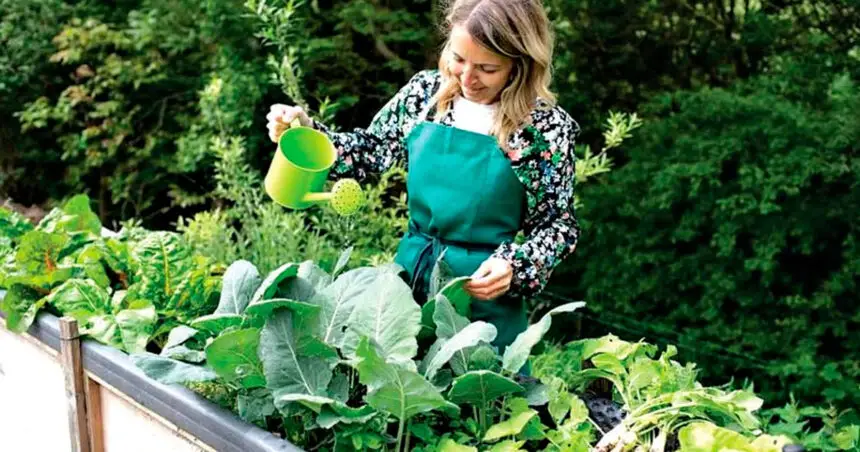
HAVING a backyard could be doing more than providing somewhere to grow vegetables, entertain the family or enjoy the afternoon sun, with new research linking home gardens to a reduced risk of type 2 diabetes.
A University of Queensland-led study found people with a substantial garden had a 6.8 per cent lower risk of developing type 2 diabetes compared with those without a garden.
Living close to several parks was also associated with a reduced risk, with researchers finding those residents were 5.7 per cent less likely to have type 2 diabetes.
The findings have prompted researchers to argue that access to private and public green space should be treated as a public health consideration as Australian cities accommodate growing populations and increasing numbers of higher-density homes.

Lead author Dr Chinonso Odebeatu, who conducted the research at UQ’s School of Public Health, said the results demonstrated gardens offered benefits extending well beyond their appearance.
“Current housing challenges means there are more high-density residential dwellings under development, and this research shows public health considerations need to be prioritised when planning greenspaces,” Dr Odebeatu said.
“The evidence shows having a garden is more than just aesthetics, because people’s health will be impacted if green space isn’t factored into residential developments.
“Our research also found having several parks closer to home was highly beneficial when it came to reducing the risk of type 2 diabetes, highlighting the importance of public greenspaces such as community gardens and parks.”
Researchers analysed data involving more than 19,000 UK Biobank participants with type 2 diabetes and examined the amount of green space available around their home addresses.
The research carries potentially important implications for rapidly growing communities where increasing housing density and smaller residential lots are placing pressure on private green space.