

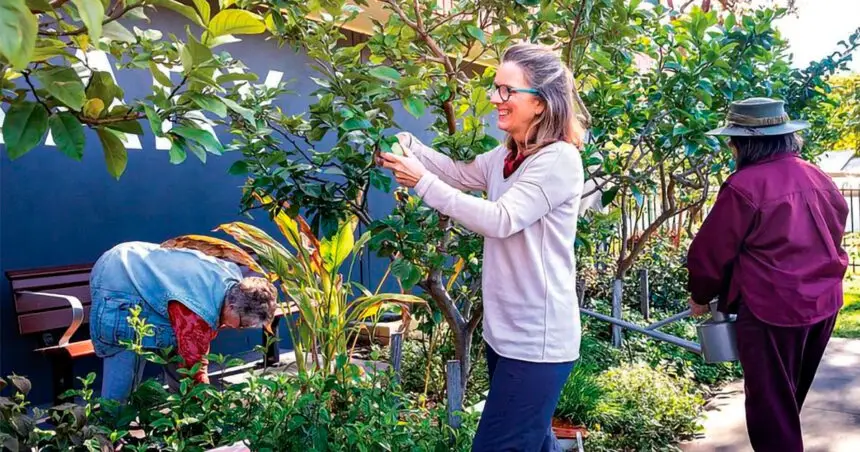
THERE is something wonderfully simple about a community garden.
A patch of unused land is turned over, raised beds appear and before long tomatoes are climbing towards the sun, herbs are spilling over their borders and neighbours who might once have passed without a word are swapping gardening tips over the fence.
Yet the real harvest often has little to do with what ends up on the dinner table.
Across Australian suburbs and towns, community gardens have become places where people meet, learn, share and contribute.

They bring together retirees and young families, experienced gardeners and complete beginners, long-time locals and newcomers.
In an increasingly busy and sometimes disconnected world, that ability to bring people together can be powerful.
Unlike gardening at home, a community garden is built around participation. There are beds to prepare, weeds to pull, compost to turn, seedlings to plant and produce to pick.
Everyone can contribute, even if they have never successfully grown so much as a basil plant.
Friendships develop while watering vegetables and knowledge passes between generations.
Children discover carrots do not come washed in plastic bags, while older residents have an opportunity to share skills accumulated over decades.
For somebody living alone, the garden can provide something just as important as fresh produce: somewhere to go, something to contribute and people who notice when they arrive.
There are practical benefits too.
While a community garden will not replace the weekly supermarket shop, seasonal vegetables, fruit and herbs can help stretch household budgets.
Gardening also gets people outside and moving. Digging, planting, watering and weeding provide physical activity, while time among plants offers a welcome break from screens and the demands of everyday life.
For people living in apartments, townhouses or homes with small yards, shared gardens also provide precious space to grow food.