THE housing market is tighter than ever, with many renters competing for the same property.
Sixty years ago, things were very different. It wasn’t hard to find a house – and looking back, it seemed like you could buy just about anything you wanted.
Wages were low compared to today, but banks were more generous with loans – especially if you had steady employment.
Even though interest rates at times soared over 18 per cent, many people still managed their repayments without too much difficulty.
People often try to compare those times with now, but back then, there simply weren’t as many expenses. No iPhones, no iPads, few computers, and not many restaurants or cafes to spend your money in – even if you had the means.
Most seniors reading this will remember a time of peaceful co-existence. Life felt full and satisfying. People were focused on finding someone to marry, often in their early 20s – not waiting until their 30s after trips overseas or the establishment of a career.
And while some may have made mistakes, many relationships truly did last “until death do us part”.
Back then, most couldn’t wait to get married, settle down and start a family. Young couples often left the family home early, buying an older, affordable “starter home”.
Over time, they saved and improved both their financial outlook and their living situation.
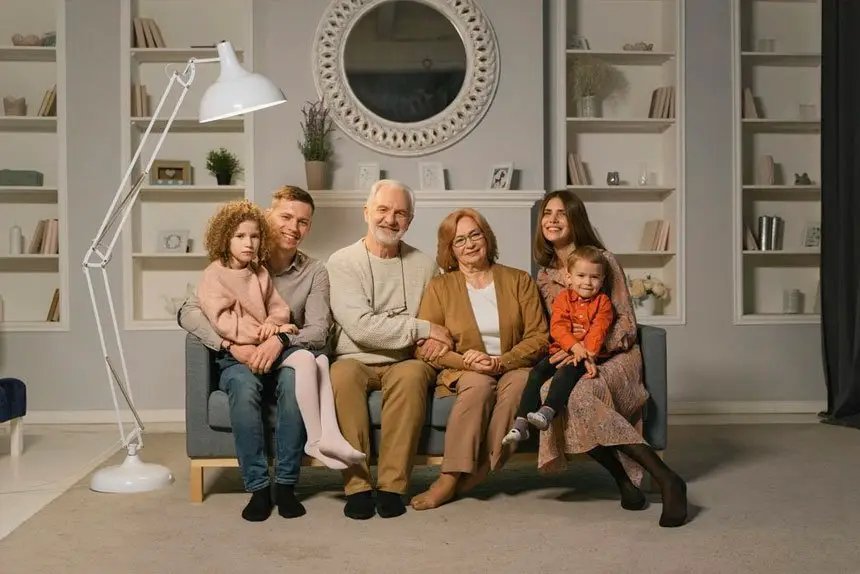
But today, things have changed. Are you a senior with adult children living at home? Maybe they’ve returned because they can’t afford to rent or buy.
Staying in the family home well into adulthood is no longer uncommon. A survey by Melbourne University’s Melbourne Institute found that as many as 50 per cent of Australians aged 18 to 29 are living with their parents.
Milestones like graduating, marrying and having children now occur later in life.
Many young adults are entering adulthood – but staying put. And while multigenerational living can work, it can also lead to tension and conflict.
If your adult children are living at home – perhaps even with a spouse – it can become awkward. No one is truly comfortable navigating adult lives under one roof, even with love in abundance.
That’s why it’s crucial for parents – homeowners – to initiate a clear conversation before such a living arrangement begins.
Set expectations, boundaries and responsibilities. Without them, resentment can build quickly.
It’s wise to consider all aspects carefully before extending that invitation to stay.