TODAY, let’s take a look at some surprising happenings around the world that you may not have heard about.
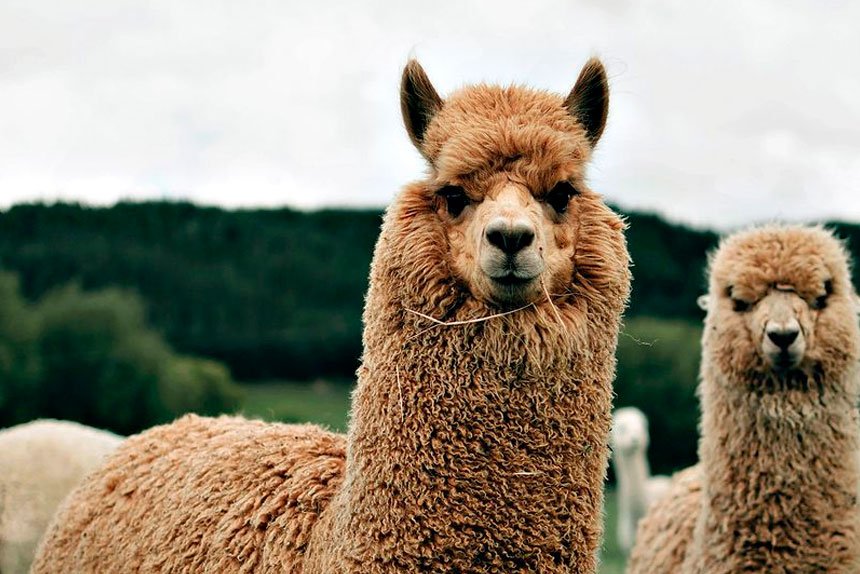
You’ve probably heard of the alpaca – that cute, fluffy animal often confused with its larger cousin, the llama. But did you know that a Chilean alpaca could hold the key to controlling the deadly Hendra virus, which has caused concern for years?
The Hendra virus is deadly to horses and can be fatal to humans if contracted. It has already claimed at least one human life, and extremely strict quarantine conditions are applied to properties in affected areas to prevent a broader outbreak.
Here’s where the alpaca comes in: this remarkable animal is being used to help create antibodies that protect against and neutralise the Hendra virus in humans. It turns out alpacas are one of the few animals in the world to produce special immune system agents called nanobodies, which may offer critical protection.
Meanwhile, there’s growing concern about the use of anticoagulant rodenticides – poisons commonly used to control rats and mice. These substances are not only increasingly ineffective (as rodents develop genetic resistance), but they also pose a threat to barn owls and other wildlife.
In response, farmers near Banula, about 30km from Byron Bay, are turning to nature for help. They’re installing hunting roosts and nesting boxes for barn owls in remaining stands of trees.
Natural hollows take years to form, so these boxes are a crucial step in encouraging owls to move in and do their job as natural pest controllers.
Further inland, some graziers are thinking well ahead. A Western Queensland farmer is growing sorghum in summer, harvesting it in winter, and burying it in large silage pits for future droughts.
These underground pits can store up to 3000 tonnes of feed for up to three years. The green plant material ferments underground and becomes “silage”.
A little extra effort today can pay off in a big way tomorrow. The future looks a lot brighter for those thinking outside the box.
Till next time.