AS HOMEOWNERS seek low-maintenance, water-efficient alternatives to natural lawns, artificial grass has become increasingly popular.
MATERIALS AND COMPOSITION
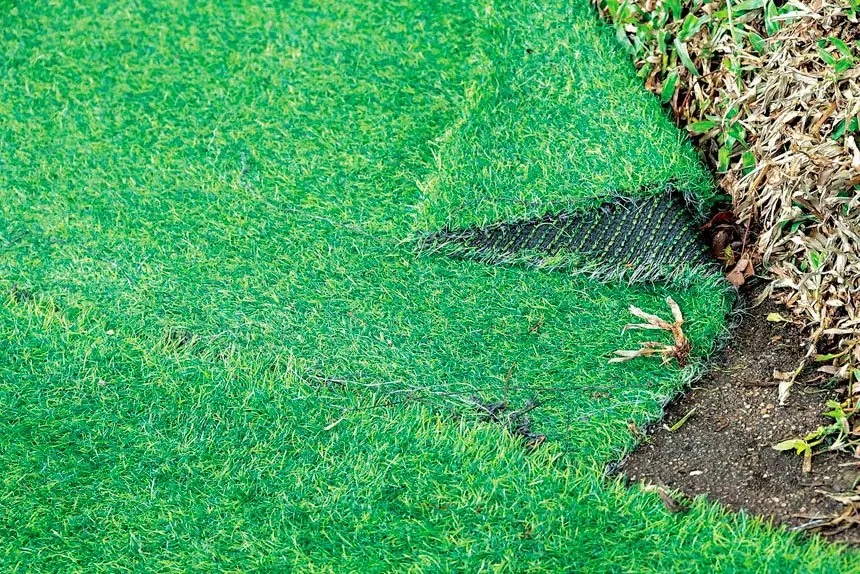
Artificial grass is primarily made from synthetic fibres, typically polyethylene, polypropylene, or nylon, designed to mimic the look and feel of natural grass. These fibres are woven into a backing material, often made from polyurethane or latex, which provides durability and flexibility. The turf is then infilled with materials such as sand, rubber, or a combination of both to help the blades stand upright and provide a more natural feel underfoot.
LONGEVITY
High-quality artificial grass can last anywhere from 10 to 20 years, depending on the level of usage and maintenance. Most manufacturers offer warranties ranging from 8 to 15 years. Factors such as UV resistance, fibre density, and the quality of the backing material can influence the lifespan of synthetic grass.
ADVANTAGES OF FAKE GRASS
Low maintenance: Unlike natural lawns, fake grass requires minimal upkeep. There’s no need for mowing, watering, or fertilising, which saves time, money, and resources.
Water conservation: Artificial grass helps conserve water, making it an eco-friendly option, especially in regions prone to drought.
DISADVANTAGES OF GRASS
Initial cost: The upfront cost of installing artificial grass can be significant, although it’s often offset
by reduced maintenance.
Heat retention: Synthetic turf can become very hot in direct sunlight, potentially making it unsafe or uncomfortable to walk on.