The Property Council of Australia has warmly welcomed this month’s announcement that ASIC will review the technical reporting of stamp duty charges by superannuation funds.
The funds currently drive tens of billions of dollars of investment away from new Australian homes, commercial and industrial property assets.
The Property Council has long underscored that the stamp duty disclosure requirement under ASIC’s Regulatory Guide 97 (RG 97) has discouraged investment into the delivery of new city assets because of the disproportionate impact those unavoidable taxes have on the reported fees and costs of funds.
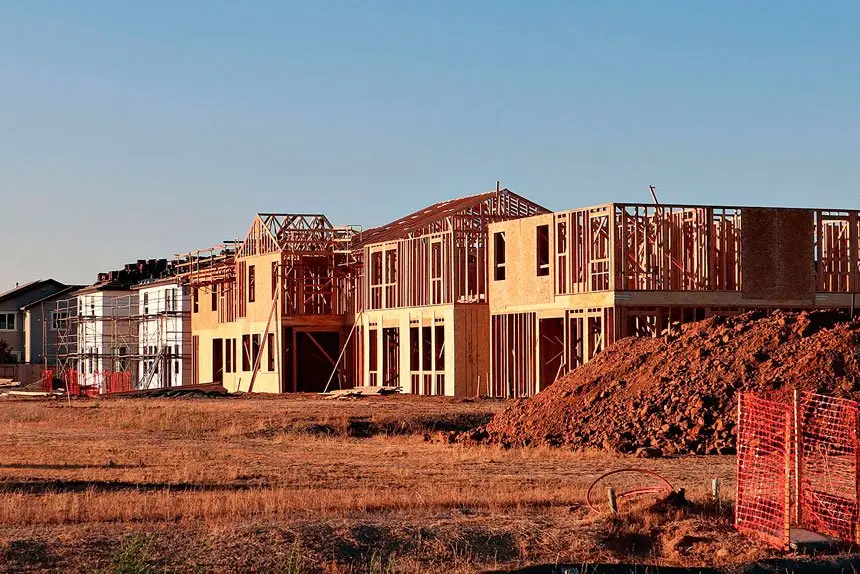
A simple and zero-cost change to stamp duty reporting requirements under RG 97 could see close to $10 billion flow towards new supply within a few years.
That means up to 35,000 additional new homes for Australians to own and rent over the next five years, at zero cost to government.
Property Council Chief Executive Mike Zorbas welcomed the strong progress through the Government’s Economic Reform Roundtable framework.
“Today’s announcement shows the Government’s productivity drive is going to help housing by driving zero-cost, high-benefit improvements to regulation,” Mr Zorbas said.
“Critically, and rarely amongst federal politicians, the Minister for Housing and Cities understands the importance of institutional investment into the work of Australian companies building and shaping our cities, to give us the housing, offices, industrial parks or shopping centres our growing cities’ need.
“This is especially important at a time when state governments are carrying heavy debts around the country.
“Currently, superannuation funds are being penalised for investing our money in Australian housing, offices, industrial parks and shopping malls – all vital to world-class, productive cities.”
Mr Zorbas said ASIC was to be commended for reviewing the current rules, which he said made super funds’ housing investments look more expensive than they were, creating an uneven playing field.
“Changing RG 97 won’t cost the Budget a cent, but it can help deliver 35,000 additional new homes for Australians over five years,” he said.
“We can hope too, that the Government takes this mindset into improving the investment pathways for institutions wanting to co-invest with Australian companies through the FIRB process, which has slowed down in recent years.”
The Property Council made clear that stamp duty should still be reported. However, to improve comparability between assets, it should be reported separately as the unavoidable tax it is, rather than a fee.
RG 97 concerns fees and costs disclosure requirements of the Corporations Act and Corporations Regulations, as modified by ASIC Corporations (Disclosure of Fees and Costs) Instrument 2019/1070.
Under RG 97, super funds that invest directly in property – including housing – are required to report unavoidable costs like stamp duty as part of their fee disclosure.