

PUBLIC awareness of biodiversity and conservation has increased enormously over the past few decades, but there is still a lot that the general public don’t fully understand.
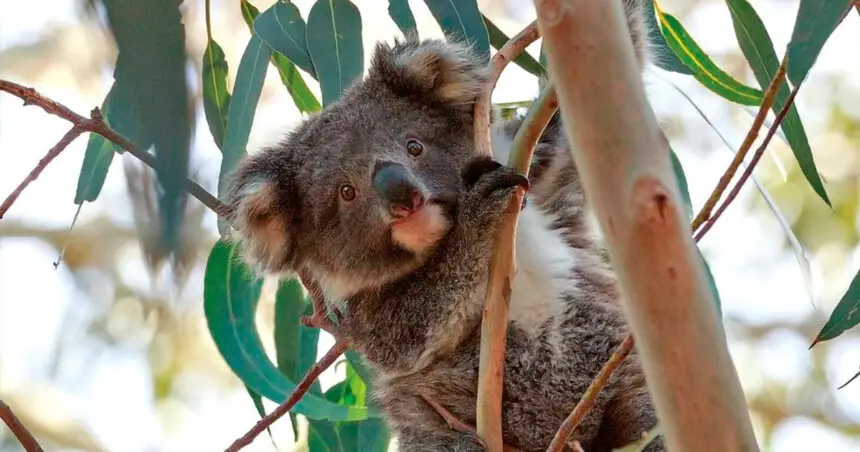
It’s fairly easy to sell the conservation message when talking about appealing animals, such as koalas and wombats, because these animals invoke feelings of warmth, cuteness and cuddliness. However, it is harder to sell the conservation message when it comes to snakes and crocodiles.
The first point to note is that an impression of cuteness and cuddliness is not only a bad criterion for estimating conservation importance, but also gives misleading impressions about the docility of the species. Koalas are the classic example. Koalas that have been raised by humans are often docile, but fully wild koalas definitely are not.
A proportion of the wild koala population in South East Queensland has become accustomed to human contact, because we have a very active koala rescue program due to the high number of koalas injured by cars and dogs. Some of these injured koalas end up in wildlife hospitals and are later released into the wild again.

However, koalas that have lived their entire lives in the wild are actually very fierce animals. The males have ferocious and sometimes fatal fights during mating season. So much for the cute and cuddly image.
The experiences of the late wildlife expert Ric Nattrass, who worked with the Queensland Parks and Wildlife Service for several decades until 2003, provide some contrasting insights into the nature of koalas.
There is one hilarious story of a koala that was obviously accustomed to humans which escaped from its cage while he was on the Moggill ferry.
Bewildered in the back of the vehicle, it followed its natural instincts and sought the highest safety refuge available, which on this occasion was the top of Ric’s car seat. I’m told that the ferry skipper was somewhat more than bewildered when he collected the fare.
On the other hand, one of Ric’s most terrifying wildlife experiences was when a koala bit him on the forearm. Apparently, it bit with incredible force and simply refused to release its grip.
Ric described this incident as more traumatic than any of the hundreds of occasions when he removed highly venomous snakes from houses.
If you are travelling in bush localities, it is a good idea to have the phone numbers of local wildlife rescue groups and zoos loaded in your mobile phone.
These vary with locality, but you can upload the telephone numbers of groups like the RSPCA, WIRES (Wildlife Information, Rescue and Education Service), WILDCARE, Somerset Sanctuary, Australia Zoo, David Fleay Wildlife Park and Currumbin Wildlife Sanctuary, depending on the locality you are visiting.