Deaf Children Australia’s new Blueprint program aims to bridge the communication gap through deaf-friendly resources.
Parents of deaf and hard-of-hearing (DHH) children have expressed concerns around their children’s capacity to integrate into everyday activities, saying they are frustrated about not knowing how or where to access deaf-friendly activities.
A survey conducted by Deaf Children Australia (DCA) reported that parents weren’t sure how to get their children involved with sports, music and other extracurricular activities, leading to additional concerns around bullying (shared by 90 per cent of parents surveyed) and missing out on making friends (84%).
Their concerns were validated by a follow up survey, which revealed that 77 per cent of respondents had minimal to basic knowledge and skills required to effectively communicate with DHH students.
One 15-year-old, Elizabeth (EJ) Richardson, is profoundly deaf and spent years trialling different sports as she struggled to fit in.
Basketball, in particular, was really tough, as her coaches didn’t have any awareness around communicating with kids who had a hearing loss recalls EJ’s mother, Rebecca.
“EJ came off the court a couple of times in tears because she couldn’t understand what was being communicated … she hasn’t stepped foot on a representative basketball court since,” Rebecca said.
“It’s been hard. I’ve spent years investigating different sports that knew how to include EJ.”
EJ has now settled on tennis, an environment where she feels included and accepted.
The alarming statistics and experiences shared by hundreds of families across the country have prompted DCA to establish its newly published Blueprint program, a toolkit of resources to assist local sport and recreational clubs in welcoming, including and supporting DHH children.
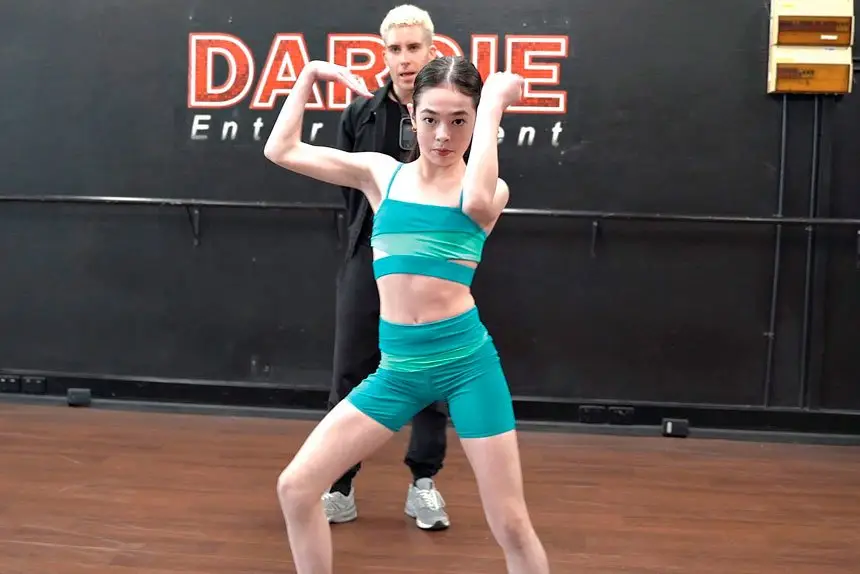
At the heart of the Blueprint program is a series of 12 short videos, sharing the lived experiences from the perspective of a DHH child, parents, coaches and clubs including EJ, swimmer Nicholas Layton and dancer Amelia Kroehnert.
The resource pack also includes posters, flashcards, information sheets, window decals and link to videos of over 100 Auslan signs across 10 recreational activities.
“Children of all abilities should be included in extracurricular activities confidently and seamlessly, which is why we’ve developed the Blueprint program,” said DCA’s executive director David Wilson. “These resources are free and easy for local sports and recreational clubs to integrate into their daily operations, creating a safe and inclusive environment for deaf and hard of hearing children and their hearing peers.”
DCA’s Blueprint video library and resource kits are now available for free to local sport and recreation clubs across the country via the DCA website.
Clubs can also register for the online webinars on June 18 (clubs) and 19 (families) to further educate themselves on communicating with and including DHH children.
For more about Deaf Children Australia, Blueprint and to register for an upcoming webinar visit www.deafchildrenaustralia.org.au.