BUILDING and pest reports play a critical role in Queensland property transactions, yet they remain widely misunderstood.
Homeowners, upgraders, downsizers, and investors can be unsure who organises inspections, what the reports actually assess, and how findings should be interpreted – particularly in relation to a home’s age and condition.
A clearer understanding leads to better decisions, smoother transactions, and far fewer surprises.
In most Queensland property sales, it is the buyer who arranges and pays for the building and pest inspection.

This allows buyers to select their own licensed inspector and ensures the report is prepared specifically for their benefit. While some sellers choose to obtain a pre-sale
inspection to demonstrate transparency, many buyers will still commission their own report for reassurance and independence.
A common misconception is that real estate agents are responsible for identifying building or pest defects. Agents are not licensed inspectors and do not conduct technical or invasive assessments.
While they are required to disclose any known material facts, they cannot disclose issues they are genuinely unaware of. If a defect was unknown to the seller and not visible during a standard inspection, responsibility does not usually rest with the agent.
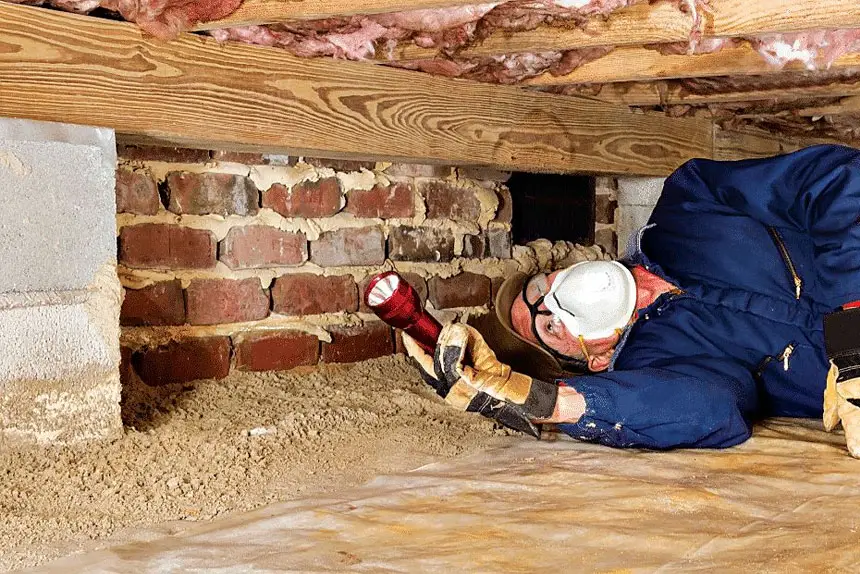
It is also important to understand the limitations of building and pest reports. These inspections are visual and non-invasive, based on what is reasonably accessible at the time.
Inspectors cannot open walls, lift fixed flooring, or predict future failures. A report reflects the condition of the property on the day of inspection – it is not a guarantee of future performance.
Buyers should learn to distinguish between major defects and normal wear and tear. Major concerns may include structural movement, active termite activity and significant water ingress
Wear and tear – such as minor cracking, ageing fixtures, peeling paint, or loose fittings – is expected, particularly in established homes, and is typically part of routine maintenance rather than a reason to walk away.
The age of a property also matters. A 40-year-old home will naturally present differently from a newly built one, and reports should always be read in that context. Understanding what is typical for a home’s era helps buyers set realistic expectations and avoid unnecessary alarm.
Most importantly, buyers should ask key questions:
What needs immediate attention?
What is ongoing maintenance?
What should be budgeted for over the next few years?
Quick tips for buyers
- Verify your inspector’s licence to ensure the report is valid.
- Attend the inspection if possible to ask questions directly.
- Use the findings to build a realistic five-year maintenance plan.
Building and pest reports are not about finding a perfect home. They are about understanding condition, risk, and future upkeep – so buyers can proceed with confidence and clarity.