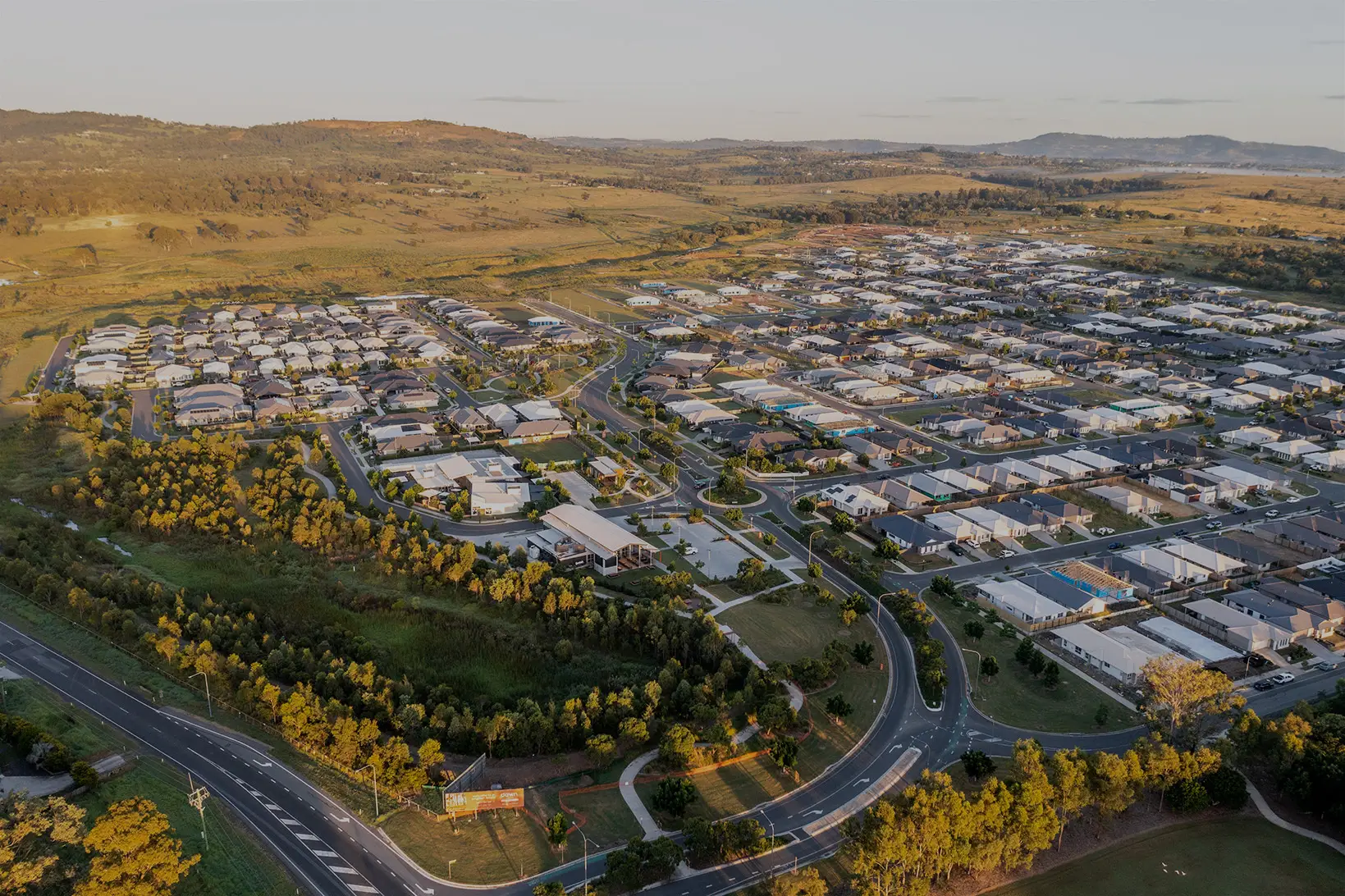


SOME media reports and policy speculation suggest new homes could emerge as the biggest winners in Australia’s Capital Gains Tax debate.
But for many everyday Australians, the real question is far simpler: will any of this actually make housing more affordable – or just shift the goalposts again?
Reports indicate the Federal Government is considering reducing the current 50 per cent Capital Gains Tax discount on residential investment properties to around 33 per cent, while offering exemptions for newly built homes.
Changes to negative gearing are also being flagged, including a proposed cap of two investment properties per investor.

Existing holdings may be grandfathered, meaning current owners could remain under today’s rules – a move likely designed to avoid sudden market disruption.
If implemented, these changes could effectively split the property market in two.
New homes would likely become more attractive to investors, driven by depreciation benefits and more favourable tax treatment. Established homes, by contrast, may lose some appeal for those focused on long-term capital gains.
That prospect is already prompting questions from everyday investors.
Will my current property be affected? Should I act now or wait? Will reduced incentives make owning a rental less worthwhile? And if investors pull back, will rents rise even further?
Prime Minister Anthony Albanese has indicated a broader tax discussion is underway. That matters, because this debate extends well beyond investors.
It goes to the heart of affordability, fairness, market confidence, and whether Australia is serious about increasing housing supply.
Supporters of reform argue that favouring new builds could stimulate construction, create jobs, and ease pressure on the established housing market – potentially opening more pathways for first home buyers.
Critics, however, warn of unintended consequences. If investor confidence falls too far, the result could be fewer rental properties, slower construction activity, and more pressure on tenants already facing tight conditions.
The larger truth remains unchanged: tax policy alone does not build homes.
Australia’s housing challenges are deeply structural. Planning delays, zoning restrictions, infrastructure costs, labour shortages and limited land supply all continue to constrain new development.
For Queensland, the stakes are particularly high. Growth corridors around Brisbane, Logan, Ipswich, Moreton Bay and the Gold Coast could see increased investor interest if new builds are prioritised.
In the Redlands, newer estates could attract investors chasing lower maintenance and potential tax advantages, while established suburbs are likely to retain appeal for families seeking character homes, larger blocks and lifestyle.
Ultimately, the May Budget will determine whether this represents genuine housing reform – or just another policy headline in a long-running debate.