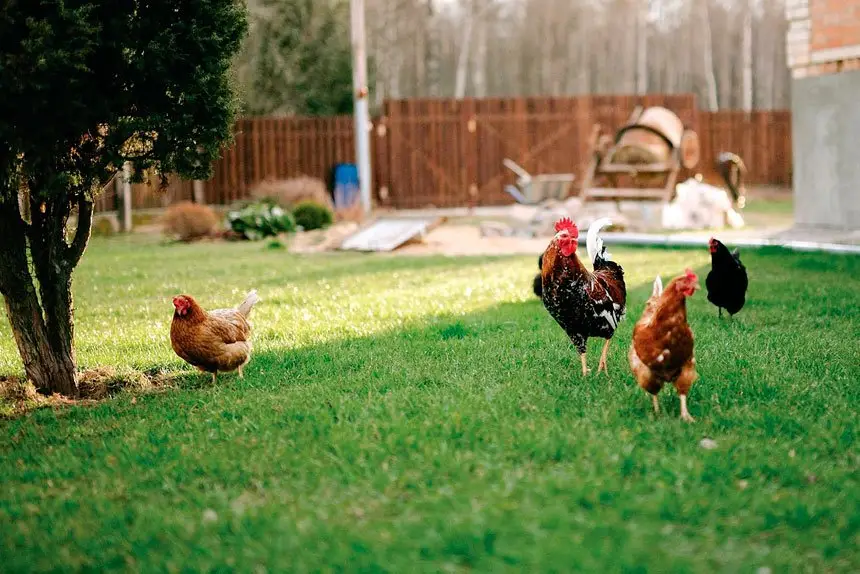
THERE was a time when chickens roamed the backyards of Brisbane homes and were valued for their egg-laying abilities.
Today, with smaller blocks on offer – along with the rising cost of larger properties – this seems to be a thing of the past.
Up until the 1960s and ’70s, chicken was not really an everyday meat. If you can remember those times, it was only the occasional Sunday roast when one would partake in this delicacy—mainly because, in those days, it was incredibly expensive to buy, that is, if you didn’t have your own meat on hand.
Fast forward to today: there are many farms with thousands of chickens running around, being fed all the good stuff to help them grow quicker.
Back in 1973, The Australian Women’s Weekly would feature mouth-watering recipes with beautiful pictures of roast chicken, and show how to cook the many dishes that were featured.
Evidently, during World War II, the price of steak was capped to stop over-inflation of goods, while chicken was about four times as expensive to buy.
Now, things have changed dramatically. For many years, chicken has been very cheap to buy, but there were plenty of trips to those early stores to get your delicious pieces of chicken – whichever way you liked them.
Changes in farming systems and practices have led to an abundance of this white meat, which is still favoured by many today.
These were the times when, instead of the usual “meat and three veg” meal, other foods began to appear. Asian meals started becoming more common, with chicken used more and more as an accompaniment – complementing the meal.
It appears that chicken meals are so popular now that larger supermarkets sell upwards of 20 million roast chickens a year.
And let’s not forget the fast-food outlets selling chicken in so many different ways – spiced, hot and tasty, chunky pieces, halves, quarters and legs – all cooked in different styles.
Australians now eat almost twice as much chicken as the next most consumed protein, which is pork.
Chicken is still on the menu for those who love the taste, and its versatility makes it the most obvious choice for many people cooking at home.
One reason the price of chicken has stayed low is the speed at which it can be produced. It seems there’s a turnaround of just four to five weeks, compared to other meats. Maybe, if you have room at your place, a few chickens might not go astray. And don’t forget the eggs!
(Look out for the next few weeks’ columns: more on why you may find it hard to even buy eggs, and why prices for chicken meat and eggs are increasing – plus what’s impacting the market.)
Till next time.