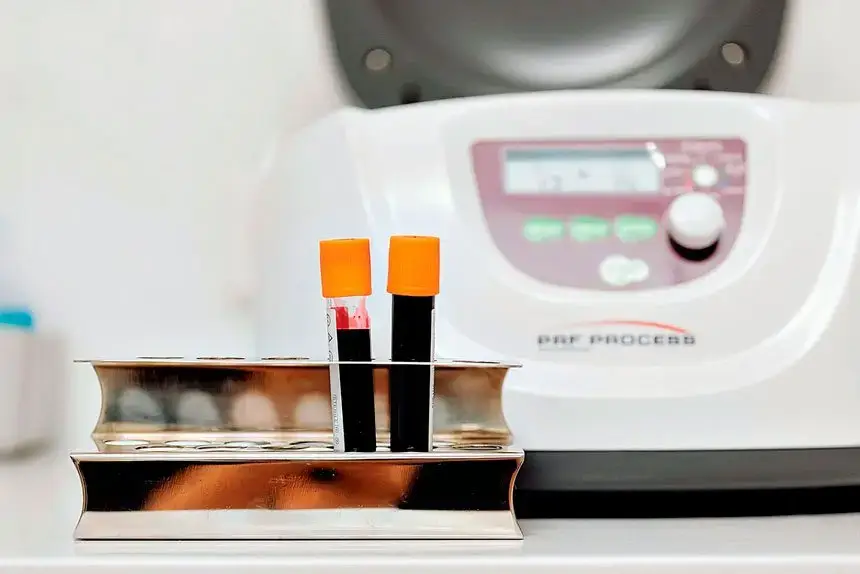
SCIENTISTS in the United Kingdom say they have developed a blood test that can diagnose myalgic encephalomyelitis/chronic fatigue syndrome (ME/CFS) with 96 per cent accuracy – the first test of its kind.
For many who live with the debilitating condition, this will be exciting news.
Despite affecting millions of people worldwide, this condition remains poorly understood. It is characterised by unrelenting fatigue that doesn’t improve with rest, and post-exertional malaise – a worsening of symptoms after even minor physical or mental activity.
Yet with no reliable test, many people wait years for a diagnosis. This usually depends on symptoms meeting certain clinical criteria. But diagnostic criteria can be controversial as they vary worldwide and many are outdated.
An accurate blood test could be a game changer for diagnosis.
So, how excited should we get? Here’s what we know.
HOW DIAGNOSIS WORKS WITHOUT A TEST
Currently, you can only receive a diagnosis if you experience disabling fatigue – one of the key symptoms according to most clinical criteria – for at least six months, accompanied by post-exertional malaise.
But people with the condition often experience a wide range of other symptoms, including headaches, muscle or joint pain, sleep disturbances, dizziness, a racing heart, and problems with memory, thinking and decision making.
So, clinicians must also rule out other conditions with overlapping symptoms.
This means diagnosis relies heavily on clinicians’ knowledge of ME/CFS and their willingness to listen to the patient’s complex symptom history. This process can take years – and the delay in diagnosis has consequences.
Evidence suggests early intervention is key to recovery. Rest during the early stages of the illness likely results in better long-term outcomes, as has been suggested for the clinically similar disease Long Covid.
One study showed a delayed ME/CFS diagnosis was linked to poorer outcomes, meaning recovery was less likely and the chance of developing more severe symptoms increased.
Without a definitive diagnosis, patients regularly face disbelief about their illness and have limited access to information, health-care services and medical benefits.
Frequent delays in diagnosis may contribute to the condition’s low recovery rate, which is estimated at just 1–10 per cent.
SO, IS THIS A BREAKTHROUGH?
This research is promising, but it’s still very early days. It was a proof-of-concept study, meaning small-scale research to initially test whether an idea might work.
In this case, researchers explored the idea that structural changes in chromosomes could be used as biomarkers of ME/CFS. Their results suggest they can.
Source: Theconversation.com.au. Published: October 10, 2025.