
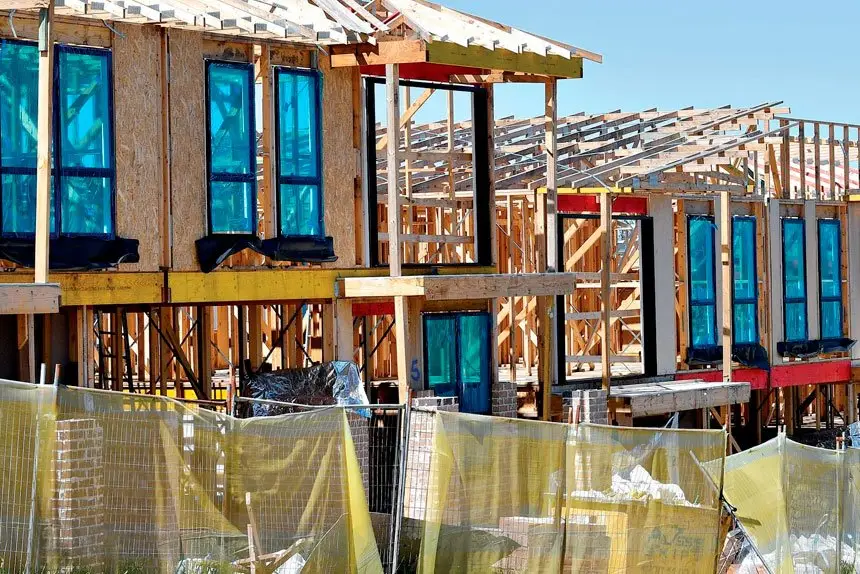
WHEN COVID-19 disruptions caused inflation to shoot up, so did the cost of building new homes.
So, as inflation returns to normal, why are construction costs accelerating again?
It’s a dilemma that is throttling the industry and preventing it from delivering the new supply needed to ease housing affordability.
Costs for building stand-alone houses grew 3.4 per cent over the 12 months to December, up from 3.2 per cent the previous quarter, CoreLogic’s latest Cordell Construction Cost Index shows.

The index is up more than 30 per cent since the onset of Covid.
Inflation has moderated significantly by comparison, with the latest monthly consumer price index coming in at 2.3 per cent.
These are perilously difficult operating conditions for builders, says Master Builders Association chief executive Denita Wawn.
“In most instances, you are relying on fixed price contracts that have been signed at least 12 months, if not longer, in advance of actual construction occurring,” she told AAP.
“The dramatic increase in costs have meant that builders over the last five years have been caught out with cost escalations far beyond what they’d priced, which has led to a higher insolvency rate than we’ve seen in some time.”
In the 2023/24 financial year, more than 2800 construction companies became insolvent.
With many builders discouraged by financial challenges, dwelling commencements are languishing near 10-year lows.
“Despite the fact we desperately need to build more, many builders are now saying to us there’s not enough work, simply because people are not willing to invest because they can’t see the numbers stacking up,” Ms Wawn said.
CoreLogic construction cost estimation manager John Bennett said it was a mixed bag for inputs, with some categories increasing but others decreasing.
“What is constant is that labour continues to be a key driver of cost increases,” he said.
Worker shortages, declining labour productivity and delays caused by onerous CFMEU requirements were all hurting the industry, Ms Wawn said.
While access to materials has stabilised since Covid disruptions, costs have remained high, partly due to elevated electricity prices – a major factor in the production of building materials like steel and cement.
Extra time and resources required to navigate byzantine regulations were also holding back builders.
“One of their biggest frustrations is that the businesses who do the right thing in terms of complying with regulations and therefore increasing their costs can be undercut by those not doing the right thing,” Ms Wawn said.
“But the resources aren’t there for the regulators to actually hold those who are not complying with the law to account.”
As well as rising construction costs, she said the inaccessibility and high cost of finance, and lengthy wait times for approvals and enabling infrastructure to be connected were exacerbating the tricky operating environment.
The Urban Development Institute of Australia said governments needed to do more to support greenfield housing.
“Affordability only gets better for the homebuyer if government invests more in the enabling infrastructure it will own, operate and maintain including water, power, sewer and roads,” said UDIA NSW chief executive Stuart Ayres.