WITH the national testing window approaching,
NAPLAN is once again in the spotlight, prompting renewed discussion about how best to lift student achievement in literacy and numeracy.
The 2026 NAPLAN test window will run from March 11 to 23 for students in Years 3, 5, 7 and 9.
The assessment provides a national snapshot of student performance in reading, writing, language conventions and numeracy, complementing classroom-based teacher assessment.
Award-winning teacher librarian and literacy expert Megan Daley says the lead-up to testing often sees an increase in test-style practice, but warns that short-term preparation is unlikely to improve results.
“NAPLAN isn’t a test you can cram for,” Ms Daley said.
“It reflects skills that are developed over many years. What makes the biggest difference is consistent reading over time.”
Recent NAPLAN results show that around one in three Australian students are not meeting expected standards in literacy and numeracy, sharpening focus on how schools and families can better support learning, particularly in reading.
Ms Daley said strong reading skills underpin performance across the entire assessment, including numeracy.
“Reading is foundational,” she said.
“Understanding instructions, interpreting data and unpacking word problems all depend on comprehension. If students struggle to read the question, they’re already at a disadvantage.”
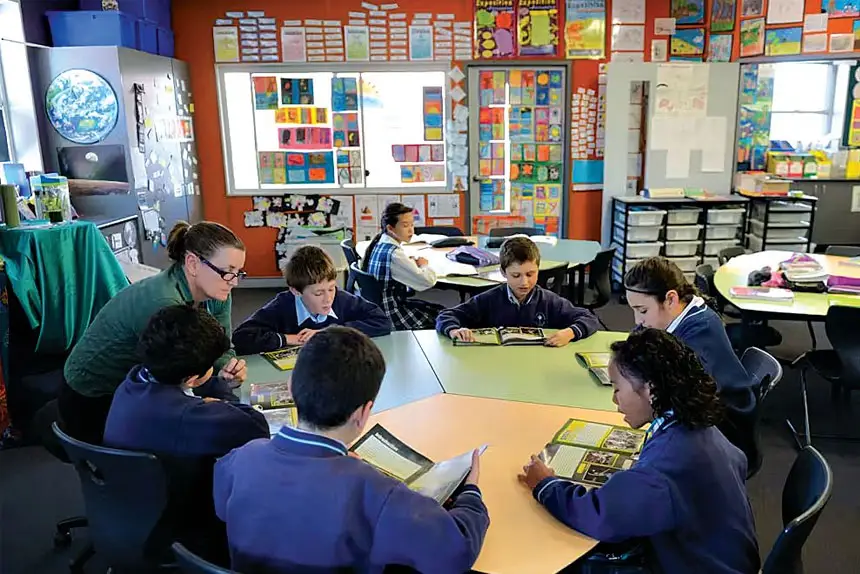
She said research and classroom experience consistently show that regular reading habits are more effective than intensive test preparation.
Even 15 to 20 minutes of daily reading for pleasure can have a cumulative impact on vocabulary, comprehension and confidence.
“Students who read widely and regularly are far better prepared than those relying on last-minute practice tests,” Ms Daley said.
“Reading for pleasure increases reading volume, and reading volume is what drives the skills NAPLAN is designed to assess.”