REPORTS of domestic violence and intimate-partner homicides are rising, drawing increased media attention and community concern.
Perpetrators have evolved, using more covert and insidious methods – particularly when targeting people with disabilities.
Recent findings from the Royal Commission into Violence, Abuse, Neglect and Exploitation of People with Disability reveal 40 per cent of Australian women with a disability have experienced physical violence after age 15, compared to 26 per cent of women without a disability. But risk levels vary depending on the nature of the disability.
For deaf women, the danger is even more severe. They are twice as likely to experience domestic violence as hearing women.
Reports of physical and sexual abuse among deaf individuals are up to 20 times higher than among hearing people. Criminologists are beginning to understand the unique ways deafness can be used as a tool of abuse.
THREE WAYS DEAFNESS IS WEAPONISED
Perpetrators use deafness to:
- Increase vulnerability
- Block reporting
- Undermine credibility
This abuse often relies on the perpetrator’s hearing privilege – their ability to hear gives them a disproportionate amount of control.
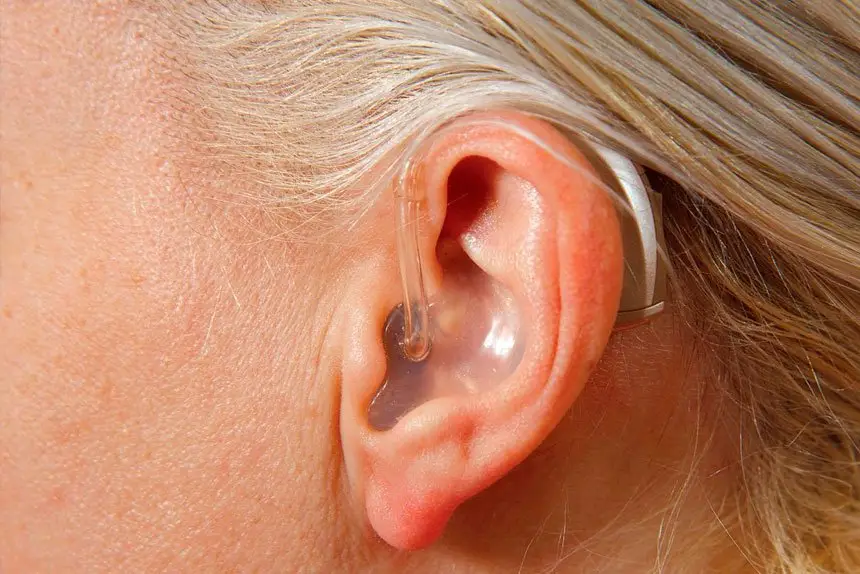
One common tactic is damaging or withholding assistive devices such as cochlear implants, hearing aids, or Bluetooth communication systems.
These devices are expensive and, when custom-made, can take weeks or months to replace. Their removal or destruction creates a prolonged communication barrier, further isolating the victim.
Police are often not fluent in Auslan (Australian Sign Language), meaning deaf victims may delay reporting until they can communicate properly.
The loss of communication devices can also disrupt employment, increasing financial dependence on the abuser.
This form of financial abuse is compounded by the limited job opportunities available to the deaf community.
TARGETED PHYSICAL ABUSE
Perpetrators often alter their physical abuse depending on whether the victim is deaf or hearing.
For hearing women, abuse tends to be directed at parts of the body easily hidden.
Deaf women are more likely to be injured on their hands, fingers, wrists and arms – areas essential for sign language. These visible injuries, while tragic, can help others identify signs of abuse.
MANIPULATION DURING POLICE RESPONSE
When police attend a domestic violence call, they may question all parties present. Research from the US shows some officers rely on the abuser – if they know Auslan – to interpret for the deaf victim.
This gives the perpetrator the power to twist the victim’s words.
In some cases, perpetrators misrepresent a deaf person’s speech or vocalisations to police, falsely implying intellectual disability to damage credibility.
To combat this, it’s essential that police always separate the parties involved and use an accredited interpreter to interview the deaf person.
However, interpreter shortages present a serious barrier. According to the 2023 Deaf Census, 77 per cent of respondents struggled to access qualified Auslan interpreters when needed –highlighting an urgent need for investment and reform.
RECOGNISE THE SIGNS
Disability can be exploited by perpetrators in disturbing ways. Deaf victims of domestic violence face unique forms of control and harm.
Greater public awareness and more inclusive police protocols are essential in addressing hearing privilege and ensuring that deaf victims are heard, believed, and supported.
Vanessa Letico, Lecturer in Criminology, and Senior Policy Officer (Office for the Commissioner for Victims of Crime), Victoria University.
theconversation.com.au