
Facebook
Notification
Local Ipswich News
  • Home
  • News & Editorials
    • Community
    • Ipswich Arts
    • Local Seniors
    • Sport
    • Business
  • Read Online
  • Pickup Locations
  • Contact Us
  • Home
  • News & Editorials
    • Community
    • Ipswich Arts
    • Local Seniors
    • Sport
    • Business
  • Read Online
  • Pickup Locations
  • Contact Us
  • Digital Editions
  • Pickup Locations
Facebook
Notification
Local Ipswich News
  • Home
  • News & Editorials
    • Community
    • Ipswich Arts
    • Local Seniors
    • Sport
    • Business
  • Read Online
  • Pickup Locations
  • Contact Us
  • Home
  • News & Editorials
    • Community
    • Ipswich Arts
    • Local Seniors
    • Sport
    • Business
  • Read Online
  • Pickup Locations
  • Contact Us
  • Digital Editions
  • Pickup Locations
Search
Local Ipswich News > Blog > Disability News > Dementia overtakes heart disease as country’s leading cause of death
Disability News

Dementia overtakes heart disease as country’s leading cause of death

Local Ipswich News
Local Ipswich News
Published: March 28, 2026
Share
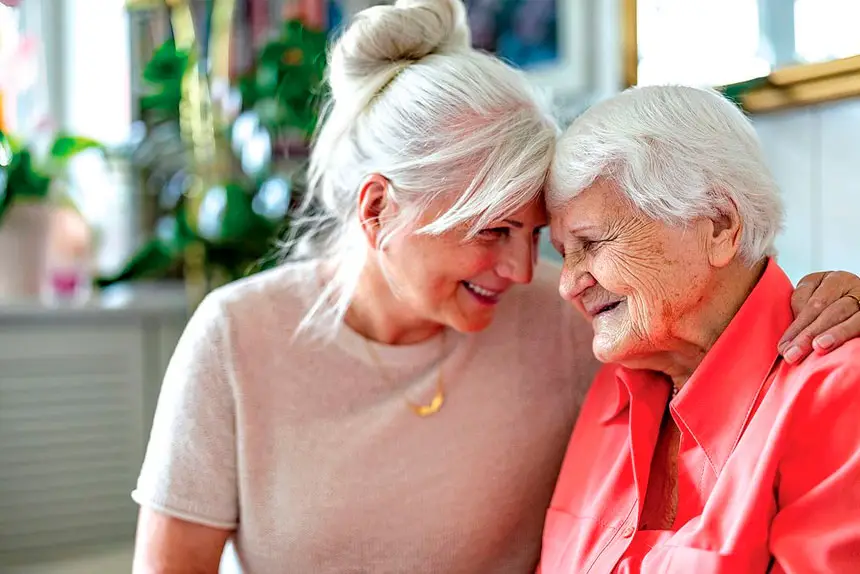
DEMENTIA RISK: Health experts say six modifiable risk factors account for about 43 per cent of dementia cases.
SHARE

DEMENTIA has overtaken heart disease as Australia’s leading cause of death, prompting public health experts to call for urgent national action to strengthen prevention and awareness.

A letter published in the Australian and New Zealand Journal of Public Health highlights data from the Australian Institute of Health and Welfare and the Australian Bureau of Statistics showing the growing toll dementia is taking on the nation.

Tanya Buchanan, chief executive of Dementia Australia and co-author of the letter, said the figures should serve as a national wake-up call.

“Dementia is now the leading cause of death in Australia. But it is not an inevitable part of ageing,” Professor Buchanan said.

- Advertisement -

“While we cannot change our genetics or family history, there are steps all Australians can take to protect their brain health throughout life.”

An estimated 446,500 Australians are living with dementia in 2026, and without significant intervention that number is expected to more than double to over one million by 2065.

Despite the rising numbers, awareness of dementia prevention remains low. A 2024 Dementia Australia survey found more than a quarter of Australians incorrectly believe there is nothing they can do to reduce their risk.

Health experts say six modifiable risk factors account for about 43 per cent of dementia cases. These include tobacco use, overweight and obesity, physical inactivity, high blood pressure in midlife, high blood plasma glucose and impaired kidney function.

Professor Buchanan said the steps needed to reduce dementia risk are similar to those used to prevent other chronic diseases but have not received the same level of attention.

“We need prevention efforts that begin in childhood and continue throughout life, along with early detection and intervention,” she said.

“A national brain health campaign, especially one targeting disadvantaged populations, is urgently needed.”

Terry Slevin, chief executive of the Public Health Association of Australia, said the rising burden of dementia is placing increasing pressure on Australia’s health system.

“Australians understand that many cases of cancer and heart disease are preventable. We now need the same mindset for dementia,” he said.

“Around two in five dementia cases could potentially be prevented through lifestyle changes.”

Public health leaders are urging governments to place brain health at the centre of preventive health strategies, with increased funding, research and public awareness campaigns to address what they warn is a rapidly growing national health challenge.


Geoff Hunt and Michael Milton are elevated to legend status
Mindfulness therapy could help fill significant gap
Urgent need for reform to assist all travellers with a disability
Neurodiverse population more likely to battle eating disorders
Report finds disabled students still bullied despite bid for reform
Share This Article
Facebook Email Print
Previous Article LIFE SKILLS: Camp programs often include activities such as hiking, canoeing, environmental education and team-building exercises that help students develop independence. Half of Aussie kids missing out on important school camp experience
Next Article STAGED ROLLOUT: In addition to expanding healthcare services, the facility is expected to create around 1000 new jobs. New era of healthcare begins as Mater Springfield gets set to open

Published by Local News Group QLD. Dedicated to connecting local communities through informative and engaging media.

  • Contact Us
  • Advertise With Us
  • Quick Links
  • Community
  • Featured Ipswich News
  • Sport
  • Local Seniors
  • Local Real Estate
  • Springfield
  • Education
  • The Lazy Gardener
  • Ipswich Arts
  • Business
  • Disability News
  • Entertainment
  • Be the Boss of Your Money
  • Health
  • Ipswich Motoring
  • Goodna
  • Ripley
  • Events
  • Bundamba
  • Redbank Plains
Copyright © 2026 Local News Group - Website by LNG Digital
Welcome Back!

Sign in to your account

Username or Email Address
Password

Lost your password?