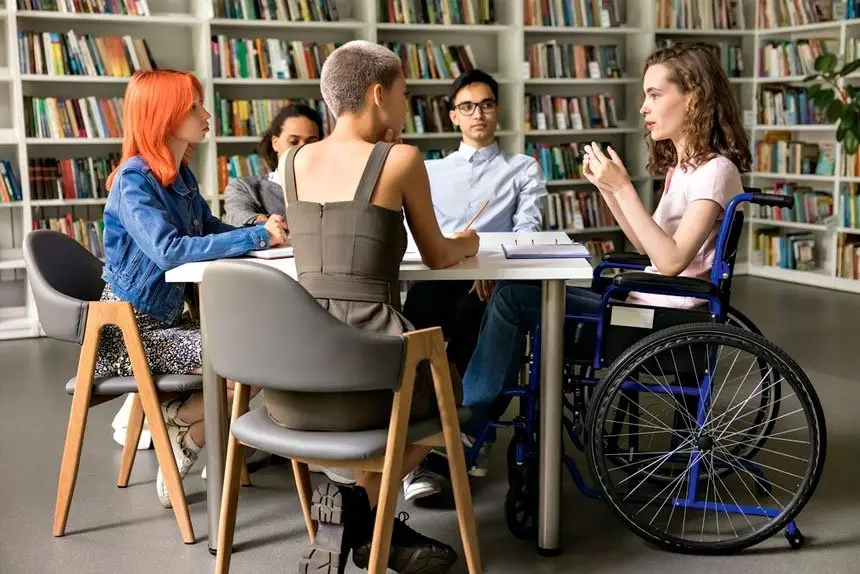
STUDENTS with disability continue to face exclusion, bullying and inadequate support in schools nearly two years after the Disability Royal Commission urged urgent reform, a new report has found.
The national study, Disillusion and Delay, was released by Children and Young People with Disability Australia (CYDA), alongside the University of Melbourne and UNSW.
Based on surveys of nearly 400 students and families, it exposes systemic failures in education, including weak support plans, under-trained teachers and a lack of inclusive culture.
CYDA CEO Skye Kakoschke-Moore said the findings echoed years of warnings.
“We continue to hear stories of young people savagely bullied or excluded, unfairly suspended, physically restrained, or forced out of school entirely because the system failed to support them,” she said.
Key findings include:
- Bullying and exclusion: 73 per cent of students with disability reported being bullied in 2024, while 72 per cent said they were excluded from activities. Three in five parents said their child was subjected to physical, psychological, social or cyberbullying.
- Support plans not working: Only 39 per cent of students were involved in shaping their Individual Education Plan (IEP), and many parents described IEPs as superficial and rarely put into practice.
- Teachers under-prepared: Nearly half of students said staff lacked training, while 26 per cent of parents agreed.
- Poor school culture: Only 36 per cent of students felt their school embraced inclusivity, and just under half of parents felt their child was made welcome.
University of Melbourne researcher Dr Catherine Smith said the report reinforced the need for governments to act on the Disability Royal Commission’s recommendations.
“There are clear, evidence-informed strategies that can be implemented now,” she said.
The commission called for a National Roadmap for Inclusive Education and the phasing out of segregated schools.
CYDA is urging national action, including stronger teacher training, consistent IEP standards, and a roadmap for inclusive education.
“Being serious about inclusion means listening to expert advice and taking bold action,” Ms Kakoschke-Moore said. “The research is there – what’s needed now is political will.”