DISTRUBING new research has laid bare the growing financial hardship gripping vulnerable Australians.
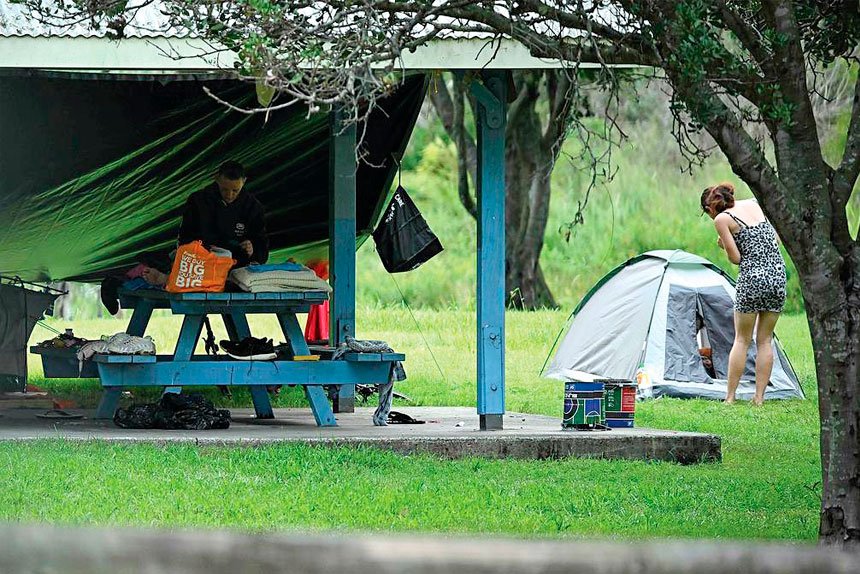
Local housing and homelessness support service inCommunity has warned that the crisis was worsening year on year.
inCommunity CEO Paul Tommasini said the findings, released by The Salvation Army, reflected what his organisation was seeing on the ground in Ipswich and surrounding areas.
“In the last couple of years, our specialist housing and homelessness service has seen a definite increase in financial hardship,” Mr Tommasini said.
“Financial stress is evident in our early intervention responses, where our service supports people struggling to sustain their rental properties.”
In each scenario, the primary factor putting the tenancy at risk is rental arrears.
“Now, households with one or two sources of income – who would once have had a stable tenancy – can find themselves in a precarious position due to the current cost of living. It’s a very real issue that can lead to homelessness.”
The Salvation Army’s national survey of those who received food, financial or material aid revealed that 55 per cent were regularly skipping meals because of financial stress.
Almost a quarter (23 per cent) reported having to eat expired or spoiled food, while 6 per cent admitted to scavenging for food from rubbish bins.
“It is truly shocking in a country like Australia that we are seeing these devastating numbers,” said Major Bruce Harmer from The Salvation Army.
“The fact that over one in 20 of those we surveyed said they were eating from dumpsters breaks our heart.”
The report highlighted an even bleaker picture for families, with 62 per cent of parents surveyed admitting they went without food so their children could eat.
Nearly half (43 per cent) could not afford essentials like baby formula or nappies, while 36 per cent said they could not purchase basic medications such as paracetamol or ibuprofen for their kids.
Alarmingly, 83 per cent of respondents said they were living below the poverty line.
In efforts to cut costs, 43 per cent said they showered less often to save on water and electricity and 12 per cent used public bathrooms to avoid using their own utilities at home.