Gardeners have so many helpers in the garden that we sometimes sell ourselves short and assume that we are alone, doing all the challenging work.
This is far from the truth. Just think about it for a while.
When it rains, your plants and lawns look better than they did before the downpour.
The extra nutrients brought by rain does your plants a world of good.
For example, if you had brownish leaves on your pineapple plants, they now have a rich green hue.
A lot of vege plants “pick up” after some solid rain and will often mature more quickly.
Not so long ago, I talked about the the benefits of the black soldier fly and how they are excellent at getting rid of and turning your waste into something beneficial to your garden.
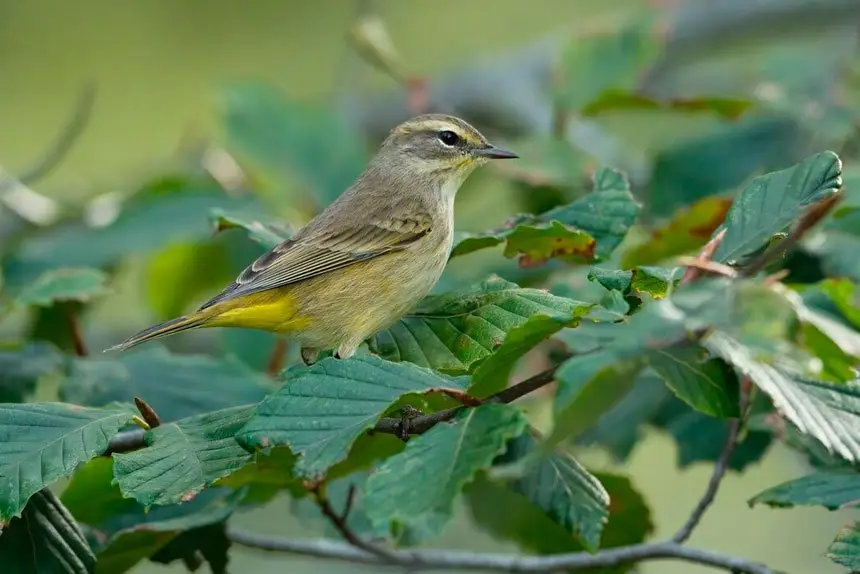
There are other small creatures that do similar work; such as small birds that fly onto your flyscreens and pick out the small spiders that build there, thus saving you cleaning time. Or the birds that inhabit your garden eating unwanted pests that accumulate on the plants from time to time.
We often don’t think about the ladybirds that feast on aphids, mites and scale insects that destroy a lot of common garden plants like roses.
Planting some herbs like coriander, fennel and dill will help to attract them to the garden.
Most ladybirds (about 500 in all worldwide) are great garden helpers. There are many different varieties and they come in many assorted colours. They feast on plant-damaging insects.
In fact, as Google says, “They don’t just devour aphids but also munch on fruit fly and thrips”.
Most of our ladybirds are useful, however there are a few that we should be aware of.
They have a party every now and again and can eat your potato and zucchini leaves if you let them.
It’s important that you recognise the good guys and don’t go round the garden getting rid of them.
You can easily tell the good ones by the 28 spots on a black and shiny yellow body.
If you’re still not sure, count the spots, there are 13 spots on each elytra or (wing shield) and two more on its pronotum. (That bit behind its head). Now you know!
After some research by Murdoch University PhD researcher Shovan Chandra Sarker, it was found the ladybirds that were introduced to the tomato/potato psyllid (tiny sap-sucking insects), early in their life cycle, would grow to recognise them as preferred prey. This insect can do a lot of damage to many different crops including capsicum, tamarillo, eggplant and sweet potato crops.
So, next time in your garden, look out for your friends and look after them.
Till next time.