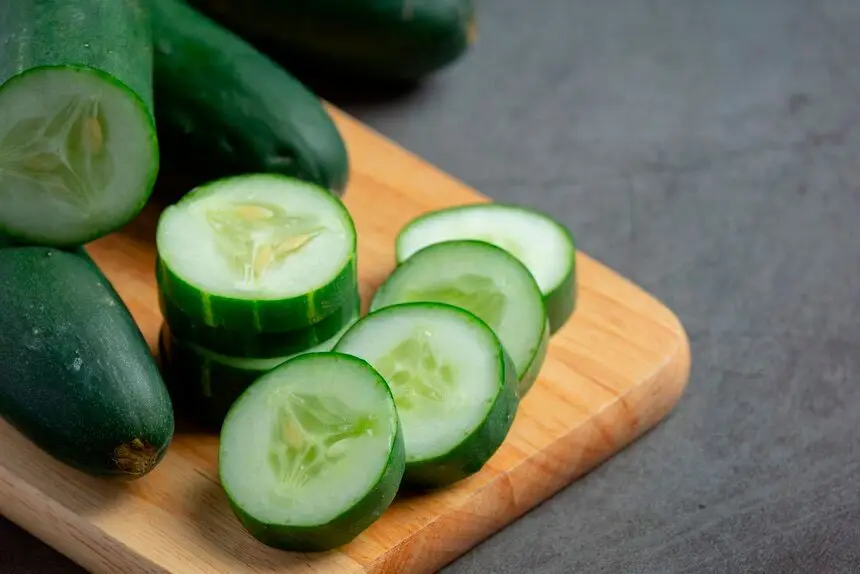
THERE’S nothing quite as simple and refreshing as a cold cucumber sandwich – topped with cheese and lettuce, seasoned with a bit of salt and pepper – served on a fresh slice of rye bread on a hot summer’s day.
It’s time to talk cucumbers: that delicious vine-grown crop that’s quick and easy to cultivate and always a hit in salads – or even enjoyed on its own.
Most people think of cucumbers as vegetables, but botanically speaking, they are fruits. That’s because cucumbers grow from the plant’s flower and contain seeds in the centre.
Cucumbers are considered an annual plant and fall into three main categories: slicing, pickling, and seedless.
Within each category, there are several different varieties to choose from.
Admittedly, cucumbers aren’t for everyone. Some can cause burping or upset sensitive stomachs. But with so many types available, you might find one that suits you perfectly.
There are apple cucumbers – round, with white skin – while others are green-skinned and elongated. Some are sold as “burpless” (gentler on digestion), while others are ideal for pickling and become the gherkins you’ll find in jars at the supermarket. Properly refrigerated, pickled cucumbers can last quite a while.
The best part? Cucumbers are incredibly easy to grow. Some varieties are ready to harvest in as little as two months, and once they start fruiting, they grow quickly – often becoming large enough to eat in just a few days.
As this column mentions, you don’t need much space to grow your own. A simple trellis will do the job.
Unlike pumpkins (covered here a few weeks ago), cucumbers don’t rely heavily on pollination. The small flowers attract pollinators easily, but many varieties will still produce fruit even without them.
Some types, particularly the bush varieties, grow well in containers. Check the seed packet for guidance on each variety’s growth habit.
Many modern cucumber varieties are all-female, meaning they don’t need to be pollinated to bear fruit. These are known as gynoecious or parthenocarpic types, and they’re typically almost seedless.
Cucumbers are a warm-season crop, ideal for growing during the warmer months and until cooler weather sets in.
If you haven’t tried growing them yet, why not plant a few for the kids to take care of? In small containers (one per pot), there’s very little waste, and the seeds remain viable for a long time.
Transplant seedlings when they’re just a few centimetres tall, and be sure to provide a sturdy structure for them to climb. Most importantly, plant them in good-quality soil and water as needed.
Till next time.