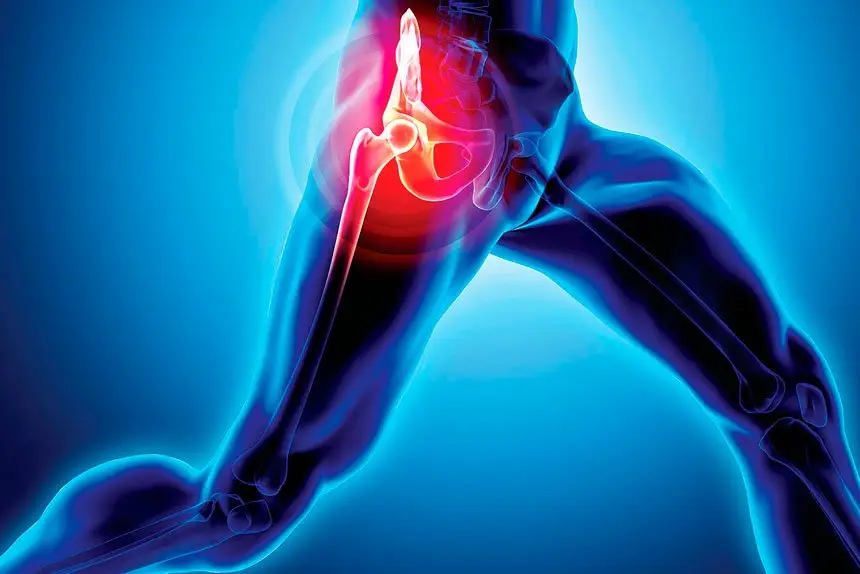
HIP operations, particularly total hip replacements, are increasingly common procedures that restore mobility and relieve chronic pain.
They’re often necessary when the hip joint becomes severely damaged, typically due to osteoarthritis, rheumatoid arthritis, fractures, or other degenerative conditions.
Over time, the cartilage cushioning the joint wears away, causing bones to rub together – leading to stiffness, inflammation and debilitating pain.
While genetics and age play a role, lifestyle choices can help delay or even prevent the need for surgery.
Maintaining a healthy weight reduces stress on the joints, and regular low-impact exercise – like swimming or cycling – keeps the hips flexible and strong.
Avoiding smoking and managing conditions like diabetes also support joint health.
Early intervention with physical therapy, anti-inflammatory medications, or corticosteroid injections may help manage symptoms before surgery becomes necessary.
But how long can someone go without a hip replacement once symptoms begin?
That depends on the severity of the damage and the individual’s pain tolerance. Some people manage for years with conservative treatments, while others find their quality of life rapidly declines.
When walking, sleeping, or even sitting becomes unbearable, surgery is often the best option.
A typical hip replacement involves removing the damaged ball-and-socket joint and replacing it with a prosthetic made of metal, ceramic, or plastic.
The procedure usually takes one to two hours under general or spinal anesthesia. Most patients begin walking with assistance within a day, and hospital stays range from one to three days.
Recovery varies, but most people resume normal activities within six to 12 weeks. Full healing and return to high-impact activities may take up to a year.
Hip operations can be life-changing, restoring independence and comfort.
With proactive care and informed choices, many can delay or avoid surgery altogether—but when it’s needed, modern techniques offer a reliable path back to movement.