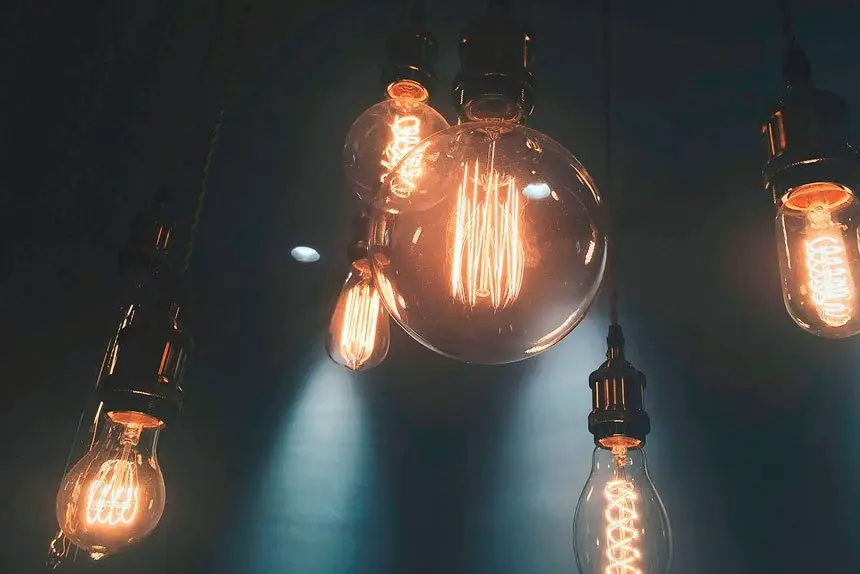
WHEN building or renovating a home, lighting is more than just a functional necessity – it sets the mood, highlights architectural features, and enhances the overall aesthetic of your space.
Choosing the right lighting style can complement your home’s character while also serving practical and environmental needs.
STYLE MATTERS:
Lighting should reflect the design era and feel of your home.
For heritage or vintage-style homes, think ornate chandeliers, glass pendants, or antique brass fittings that echo the charm of yesteryear.
Retro homes from the mid-century era work well with geometric shapes, coloured glass, or sputnik-style fixtures.
For modern or contemporary homes, sleek and sculptural fittings in matte black, chrome, or brushed gold create a clean, stylish effect.
Minimalist interiors benefit from concealed lighting, flush-mounted ceiling lights, and simple LED strip lighting that doesn’t detract from the architectural lines.
LAYERED LIGHTING:
It’s wise to think in layers – ambient (general), task (functional), and accent (mood).
Downlights or pendant lights provide ambient light; under-cabinet strips or reading lights serve a task function, and feature wall sconces or LED uplights can be used for ambience and interest.
FREESTANDING FLEXIBILITY:
Floor and table lamps are ideal when you want adaptable lighting or are looking to soften a space.
Use floor lamps in lounge areas to create cosy nooks or reading zones, especially near armchairs or sofas.
Table lamps suit bedrooms and sideboards, bringing intimacy and warmth.
These are excellent non-permanent options, ideal for renters or spaces where wiring changes are not feasible.
GOING GREEN:
Energy-efficient lighting is now a must. LED lights consume up to 80 per cent less energy than traditional incandescent bulbs and last much longer.
Look for fittings that are compatible with dimmers or smart systems for even greater control and savings.
Solar-powered outdoor lights and motion-sensor fittings are also excellent eco-conscious choices for your home.
WHEN TO CALL A PRO:
While plug-in lamps are DIY-friendly, any hardwired lighting installation – such as ceiling pendants, wall sconces, or new switch placement – requires a licensed electrician.
This is essential for safety and compliance with building codes.