

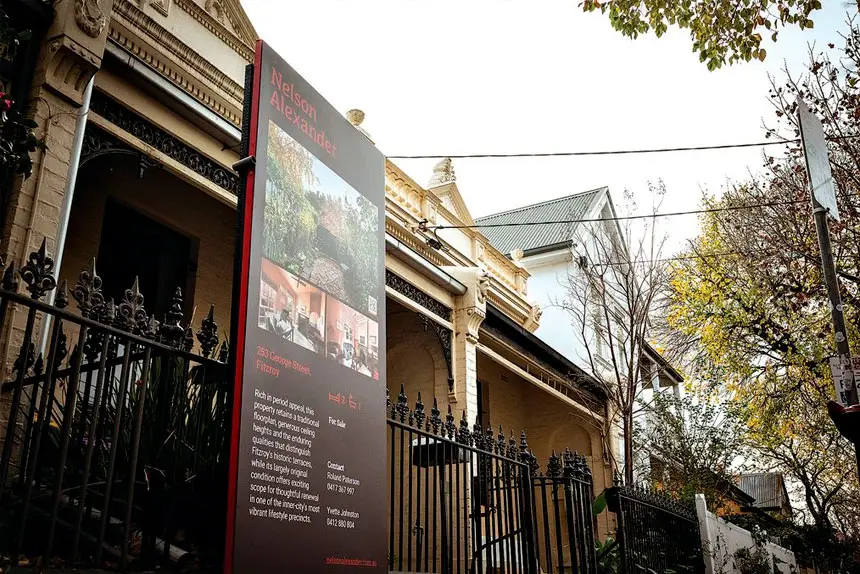
AUSTRALIA’S housing market has recorded its largest monthly decline in home values since December 2022, with national dwelling values falling 0.4 per cent in June as higher interest rates, affordability pressures and weaker consumer confidence continue to weigh on the market.
The latest figures from property research firm Cotality show this is the third consecutive month of falling values, with Sydney recording the steepest decline, down 1.2 per cent to a median dwelling value of $1,265,608.
Melbourne followed with a 1 per cent fall to $808,486, while Canberra slipped 0.6 per cent to $885,254.
In contrast, Brisbane continued to show resilience, with dwelling values rising 0.3 per cent to a median of $1,118,306.

Perth also recorded growth of 0.7 per cent, reaching a median value of $1,046,551, while Adelaide remained steady at $945,868.
Speaking on Sunrise, Cotality Executive Research Director Tim Lawless said the latest figures suggested the property market was in the early stages of a downturn.
“We haven’t seen a fall this large since December 2022, and it’s clearly gathering momentum,” he said.
Mr Lawless said the slowdown began before the Federal Budget, driven by three interest rate rises, worsening affordability and subdued consumer confidence.
He described current market conditions as a “perfect storm”, with several economic factors combining to reduce buyer demand and place downward pressure on home values.
While national headlines focus on falling prices, the changing market brings opportunities for buyers.
Across South East Queensland, local real estate agents say the shift is giving buyers more choice while rewarding sellers who present and price their homes realistically.
They note there is rarely a perfect property market, only the right time for individual buyers and sellers based on their own circumstances.
For first-home buyers, growing families looking to upsize and long-term investors, including those purchasing through Self-Managed Super Funds (SMSFs), the softer market may provide an opportunity to secure property before confidence returns.
Mr Lawless said many prospective buyers remained cautious while prices continued to ease, preferring to wait for greater certainty around inflation and future interest rate movements.
However, he said property markets were cyclical, and history suggested periods of improved affordability and reduced competition often created favourable buying opportunities.
For buyers with finance already in place and a long-term outlook, the current market could provide a window that may become more difficult to access once interest rates begin to fall and buyer confidence improves.