

A higher income can create more choice, more comfort and greater financial security.
But if extra income is absorbed into higher spending and larger commitments, it can be difficult to see any real improvement in your financial position.
Financial wellbeing is about how effectively your income supports your life, strengthens your resilience and helps you make progress towards the things that are important to you.
Two households can earn the same amount and experience their finances very differently. One may have cash reserves, manageable debt and money regularly directed towards future goals. Another may have a similar income but still find themselves surviving from one pay cycle to the next.

The difference is what happens after the income arrives.
As income increases, some of that additional capacity should ideally strengthen your financial position. This could include building an emergency fund, reducing consumer debt, setting money aside for irregular expenses, making additional mortgage repayments, increasing super contributions or investing consistently.
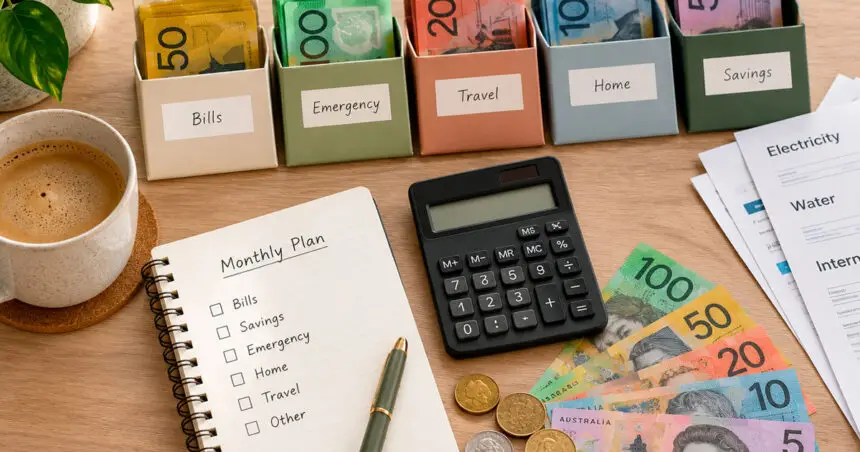
A practical approach is to allocate your income across several clear purposes rather than allowing everything to flow through a single pool of money.
Start with your everyday living costs, include housing, groceries, utilities, transport and other regular commitments.
Then allocate money towards future expenses., such as annual bills, car costs, holidays, school expenses or home maintenance.